
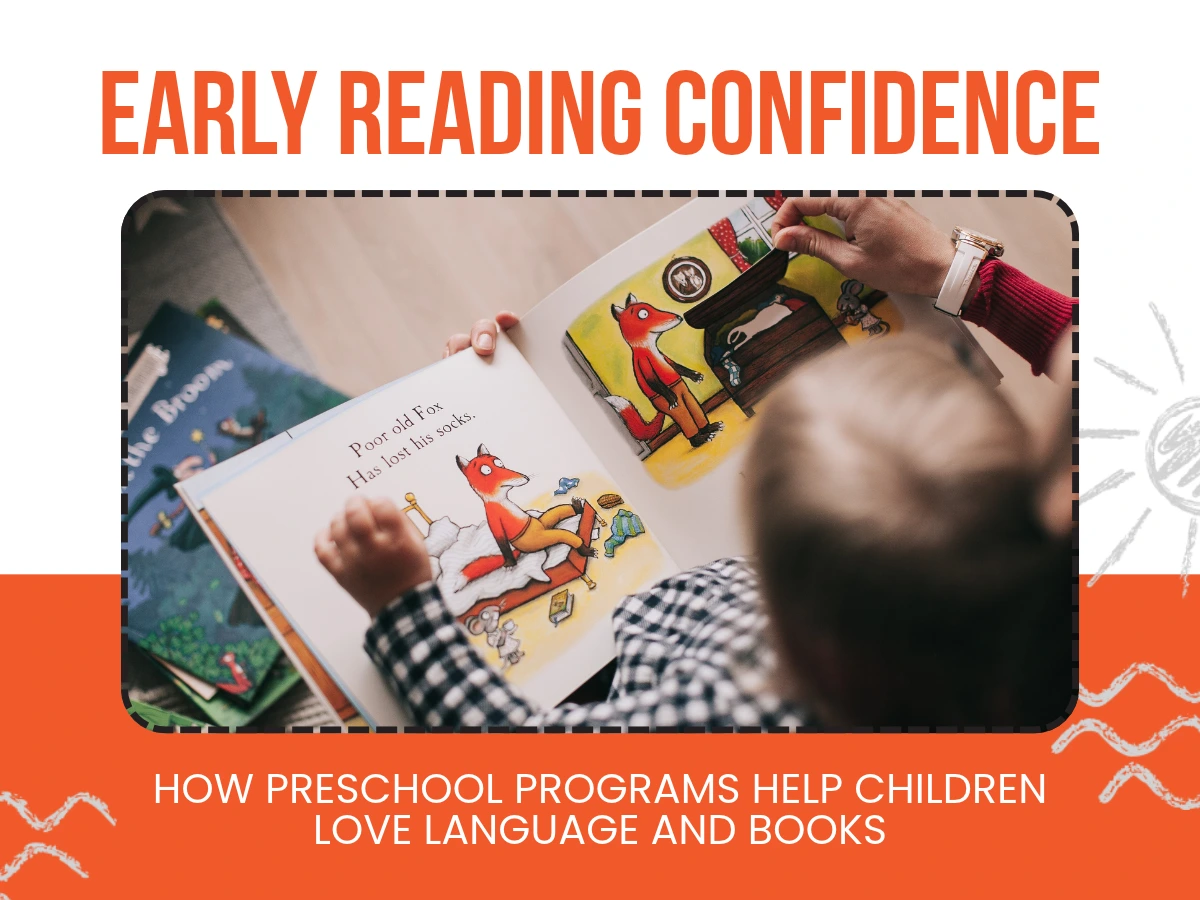
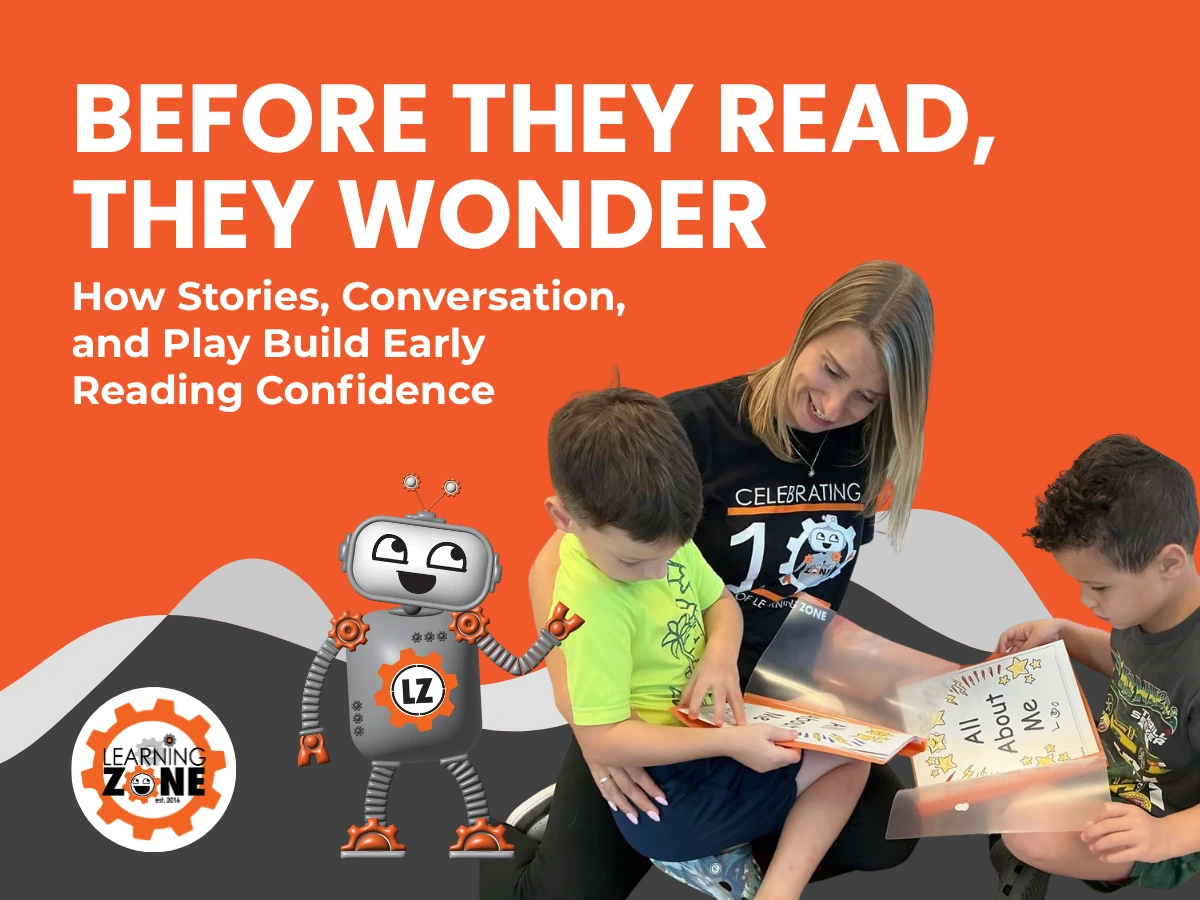
There’s a moment most parents know: your child grabs a book you’ve read a hundred times, flips to the first page, and starts telling the story. Word for word. Every pause, every voice, every dramatic bit. They’re not reading. But something important is already happening.
Most preschools will tell you reading starts with letters. And letters matter, but they’re not where reading confidence actually begins. It begins with a child who loves being read to, who asks questions about the pictures, who wants to tell you the story back in their own words. The best preschool programs in Mount Juliet, TN are built around that idea, and it’s exactly what we at Learning Zone show up every day to nurture.
For preschoolers, confidence doesn’t look like sounding out sentences. It looks like a child who:
Each one of those moments shows a child who sees language as something they can use and enjoy. That sense of I can do this is the foundation everything else grows from.
Early literacy in preschool is built through a lot of small, everyday skills that grow together over time.
Words stick when children hear them in real, meaningful moments. Describing a bumpy pinecone, talking through why the block tower keeps falling, naming a feeling during a hard moment – every back-and-forth exchange adds to the language bank a child will draw on later when they begin connecting spoken words to print.
Understanding a story starts with listening to one. When an adult pauses a read-aloud to ask, “What do you think happens next?” or “How do you think she feels?”, children practice predicting, sequencing, and connecting, the same thinking skills they’ll use when they eventually read on their own.
Before children match letters to sounds, they need to hear the sounds inside words. Songs, rhymes, and clapping out syllables teach young ears how language is built. At the same time, print awareness grows through shelf labels, names on cubbies, and the words in a favorite book – the slow, steady understanding that those marks on a page actually mean something.
Language grows most naturally through play. When children run a pretend grocery store, they name items, negotiate roles, and scribble “shopping lists.” When they act out a story, they retell it in order and try on new words.
At Learning Zone, hands-on experiences like our Seed-to-Table program support that same growth. As children plant, harvest, taste, and talk about what they notice, they build vocabulary and connect language to something they can see, touch, and explore.
Our exclusive C3 Curriculum is built around this. C3 stands for Curiosity, Creativity, and Comprehension, and it takes a STEAM-based, hands-on approach with children from infancy through Pre-K.
STEAM may sound like science and math, but it’s deeply tied to language. Children explain what they’re noticing during an experiment, describe the colors they’re mixing, and talk through how to build a bridge that won’t collapse. Every one of those moments asks them to listen, think, and put ideas into words.
The colorful classroom library is easy to notice on a tour. What matters more is harder to see at first. It’s in how adults actually talk with children.
A few things worth paying attention to:
These day-to-day details matter because children build reading confidence in environments where they feel comfortable talking, asking questions, and exploring ideas out loud.
At Learning Zone, our teachers are called Education Engineers, and that name reflects how we think about their role. They don’t just supervise; they build routines, ask the right questions, and form real relationships with every child. When children feel known and supported, they take far more risks with language.
Most parents arrive at the Pre-K year with the same question in the back of their minds: Will my child know enough?
Letters and sounds matter, but they’re one part of a bigger picture. Children who walk into kindergarten ready to thrive tend to show up with:
Our approach supports all of this together. Early literacy, math readiness, problem-solving, and social-emotional growth aren’t separate goals — they grow alongside each other every single day.
At Learning Zone, we believe childcare should feel like a natural extension of your family. Our Preschool Programs in Mount Juliet, TN bring together everything that helps early literacy grow: hands-on STEAM learning through the C3 Curriculum, Education Engineers who genuinely take the time to know each child, and a warm environment where children feel safe to explore, wonder, and share.
We’re NECPA-accredited, reflecting our commitment to high national standards in early education. Families stay connected through the Procare app – real-time photos, teacher notes, and daily updates sent straight to your phone. Secure keypad entry and video monitoring are part of the peace of mind we offer every family who walks through our doors.
Our Mount Juliet center is at 1004 Pleasant Grove Place and welcomes children from 6 weeks through Pre-K, Monday through Friday, 7:00 a.m. to 6:00 p.m.
Reading confidence starts early – sometimes with a proud scribble, a familiar letter, or a child asking to hear the same book again. Schedule a tour or request information today, and see where those moments happen every day.
Earlier than most parents expect. Children begin building language and literacy foundations from birth through babbling, listening, and hearing stories read aloud. By age two or three, many children recognize familiar letters, retell simple events, and show interest in books. Preschool, typically ages three to five, is when those early foundations become more intentional, but the process starts long before kindergarten.
No. Kindergarten teachers expect children to arrive with early language and literacy foundations, not independent reading skills. What matters most is that children can follow simple directions, communicate their needs, engage with stories, and approach new things with curiosity. The goal of a strong preschool program is to build that readiness, not rush the process.
Emergent literacy refers to all the early language and print skills children build before formal reading begins. It includes things like vocabulary, listening comprehension, print awareness, and sound recognition. It’s the foundation that formal reading instruction builds on later. A child who has had rich conversations, regular storytime, and playful exposure to books and language is far better prepared to learn to read when the time comes.
Play gives language a real purpose. When children negotiate roles in pretend play, retell a favorite story, or narrate what they’re building, they’re practicing the vocabulary, sequencing, and storytelling skills that support reading comprehension. Play also builds the confidence and curiosity children need to stay engaged with learning, which matters just as much as any specific skill.
A few worth asking: How do teachers encourage conversation throughout the day? How is storytime structured; is it interactive, or mostly read-aloud? How does the program support children who are more hesitant about language or books? How do you keep parents informed about what children are exploring, so we can continue learning at home? The answers will tell you a lot about whether a program truly supports literacy development or simply checks boxes.
STEAM learning is naturally language-rich. When children describe an experiment, explain their building process, or talk through what they observe in the garden, they build vocabulary, communication skills, and the kind of curious thinking strong readers rely on. At Learning Zone, our C3 Curriculum uses STEAM as a foundation for learning that includes early literacy alongside science, math, and creative thinking, not instead of it.

Yes, and that’s intentional. Many families start reading to understand what quality early childhood education looks like and what children need at different stages. Even if you’re still exploring options, our blogs can help you feel more confident about what to look for in a childcare center and what questions to ask during tours.
Yes. Many early childhood challenges are a normal part of development, but they can still feel exhausting at home. You’ll find supportive strategies that respect your child’s emotions while also helping you set clear, age-appropriate boundaries. We also share guidance on common transitions, such as starting daycare, moving to new classrooms, and potty training readiness.
Not at all. Every post is designed to stand on its own, so you can jump into whatever topic feels most helpful right now. Many parents treat the blog like a resource library and return whenever a new stage or challenge arises. If you’re not sure where to begin, starting with the most recent posts is a great option.
New posts are added regularly, especially around the topics parents search for and ask about most. Some seasons focus more on routines and family schedules, while others dive deeper into behavior, development, and early learning. The best way to stay up to date is to check back often or subscribe when available.
Young children learn best through play because it’s how they naturally explore, practice, and repeat skills without pressure. Play strengthens language, early thinking skills, creativity, and social development in a way that feels enjoyable instead of forced. The blog helps explain what meaningful play looks like, so you can recognize learning even when it looks like fun.
No. Our content is meant to be helpful and informative, but it’s not a substitute for professional guidance. If you ever have concerns about your child’s health or development, it’s always best to speak with your pediatrician or a qualified specialist. Think of this blog as supportive education and a steady place to start.