

Your first morning back at work feels different from any other morning. The diaper bag holds more than one baby could ever need. The bottles are labeled twice. And somewhere between the car seat and the classroom door, it hits you: you’re about to hand your whole world to someone else for the day.
If you’re looking for infant daycare in Smyrna, TN, that moment is probably already on your mind. Here’s the good news. High-quality infant care is easier to recognize once you know what to look for. Most of it comes down to how caregivers respond to babies, how routines are handled, and how well you’re kept in the loop.
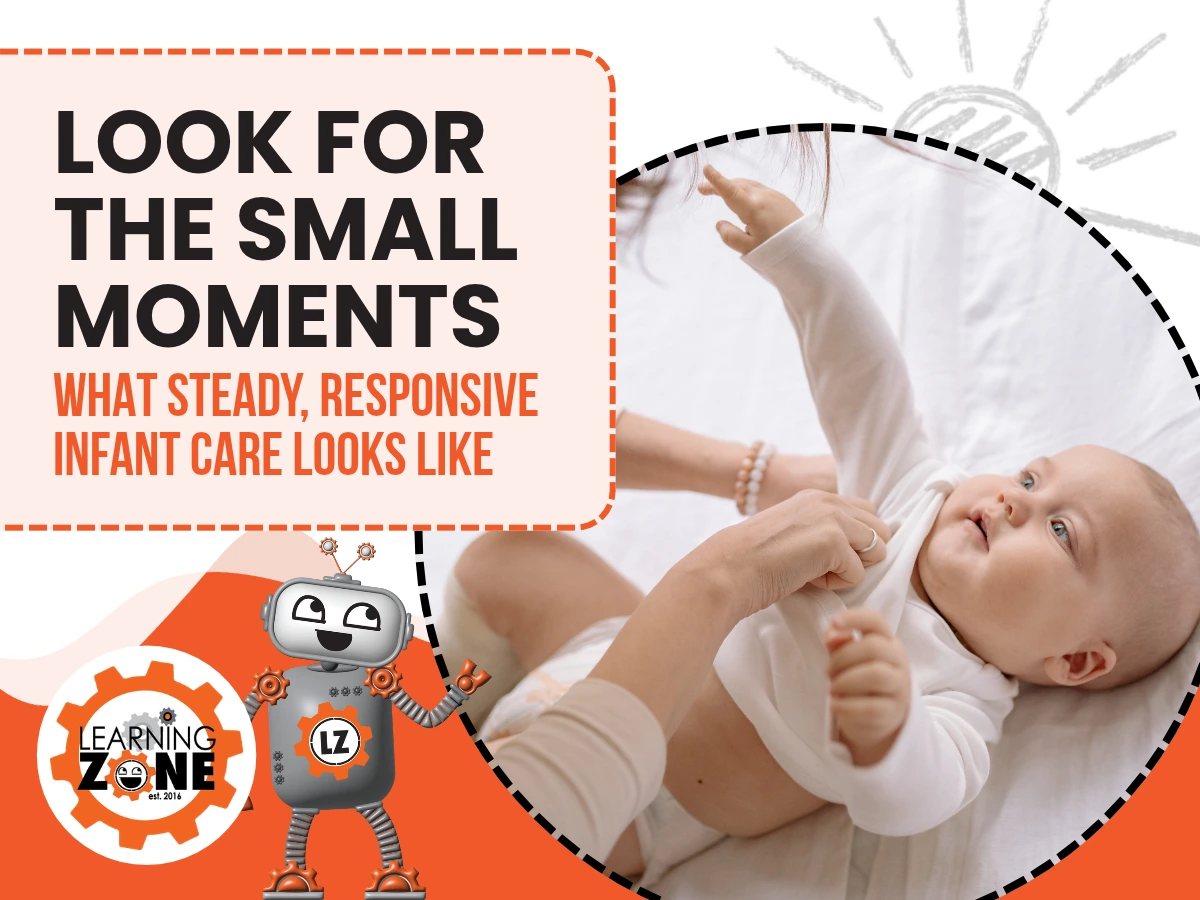
For babies, quality doesn’t look like flashcards or a packed schedule. It looks like a caregiver who notices a fussy cry before it turns into a meltdown. It looks like a nap that happens when your baby is tired, not just when the clock says so. It also looks like a room that feels calm instead of chaotic.
When we talk about quality in infant care, we mean a few things working together:
None of these is flashy. But together, they shape how secure your baby feels during the hours you’re apart.
Babies can’t tell us what they need with words, so they tell us in other ways. A turned head. A rooting mouth. A cry that sounds just a little different from the last one. Responsive caregivers learn to read those signals and answer them warmly and quickly.
That back-and-forth matters more than it might seem. When a baby coos and a caregiver smiles and coos back, the baby learns that their voice gets a response. When a cry brings comfort, they learn the world is a safe place to be. Over time, that trust becomes the base for everything that follows, from exploring a new toy to settling in with a new face.
Strong infant care routines in Smyrna, or anywhere else, should feel steady without being rigid. Babies do best when their days have a familiar rhythm. That rhythm should still flex around the baby, not the other way around.
Every baby eats on their own schedule, and good infant rooms follow it. Ask how the center handles bottles, breast milk, and the move to solid foods. Ask how feedings are tracked and shared with you, too.
Safe sleep should never be up for debate. Babies should be placed on their backs to sleep in a crib, with no loose blankets, pillows, or soft toys. Just as important, babies should be allowed to nap when they’re tired. A good center works with your baby’s natural sleep patterns and keeps you informed about how naps went.
Diaper changes may seem routine, but they’re also one-on-one moments of connection. When a caregiver makes eye contact, talks gently, and takes their time, even a quick change becomes a small, meaningful interaction.
Drop-off, pickup, and moving between activities can be hard on little ones. Calm, predictable transitions help babies feel secure. A consistent greeting, a familiar caregiver, and a gentle handoff all make the start of the day easier for both of you.
Parents often ask what babies can really “learn” in daycare. The honest answer is: a lot, but not in the way most people picture learning.
The first year of life is a time of rapid growth. Babies learn through their senses, their bodies, and their relationships. In a baby brain development daycare setting, that learning happens during the everyday moments that fill each day:
Our C3 Curriculum stands for Curiosity, Creativity, and Comprehension, and it supports children from infancy through Pre-K. For our youngest learners, that hands-on approach looks gentle and sensory. Babies reach, grasp, listen, explore, and discover what happens when they shake, push, or touch something new. Those small discoveries are early steps toward the problem-solving and thinking skills they’ll keep building for years.
Babies don’t need pressure to grow. They need attention, safety, and the freedom to explore at their own pace.
For working families, communication can make or break peace of mind. You shouldn’t have to wait until pickup to find out whether your baby ate, slept, or had a tough morning.
High-quality infant care keeps you in the loop with:
This two-way connection works in both directions. When you share that your baby was up three times last night or is starting to teethe, caregivers can adjust their approach. It becomes a true partnership in your child’s care.
Touring a Smyrna, TN early learning center can feel overwhelming, especially when every room looks bright and clean. When you arrive, you may notice that a well-run center has a secure, guided check-in process – a sign that the team takes both safety and first impressions seriously. But once you’re inside, try to look past the décor and pay attention to the interactions happening in front of you.
Be cautious if babies spend long stretches in swings, bouncers, or containers. Watch for caregivers who seem rushed or disconnected, or a center that’s vague about routines and communication. Trust what you see, and trust your gut, too.
It’s completely normal to feel torn about starting infant care. Many parents feel guilt, worry, or even grief during those first weeks. Your baby may need some time to adjust, and so might you.
A few things can help:
The right center will support you through this season, not just your baby.
At Learning Zone, we believe childcare should feel like a natural extension of your family, and that starts from the very beginning. Our Infant Daycare in Smyrna, TN welcomes children from 6 weeks through Pre-K, with a focus on the things that matter most in those early months: warm relationships, steady routines, and a calm space where babies feel safe to grow.
Our teachers are called Education Engineers, and that name reflects how we think about their role. They build routines, engage with children with care and intention, and work to make every child feel known and supported. Through our C3 Curriculum, children from infancy through Pre-K explore their world through hands-on, sensory-based learning suited to their age and stage.
Through the Procare app, families stay connected throughout the day with real-time photos, teacher notes, and daily updates sent straight to your phone. Secure keypad entry and video monitoring are part of the peace of mind we offer every family who walks through our doors.
Choosing infant care is a big decision, and you deserve to feel confident about it. We’d love to show you around our center on Great Circle, just off Rock Springs Road, introduce you to our team, and answer every question on your list. Schedule a tour or request information today, and see what infant care at Learning Zone Smyrna looks like for your family.

Yes, and that’s intentional. Many families start reading to understand what quality early childhood education looks like and what children need at different stages. Even if you’re still exploring options, our blogs can help you feel more confident about what to look for in a childcare center and what questions to ask during tours.
Yes. Many early childhood challenges are a normal part of development, but they can still feel exhausting at home. You’ll find supportive strategies that respect your child’s emotions while also helping you set clear, age-appropriate boundaries. We also share guidance on common transitions, such as starting daycare, moving to new classrooms, and potty training readiness.
Not at all. Every post is designed to stand on its own, so you can jump into whatever topic feels most helpful right now. Many parents treat the blog like a resource library and return whenever a new stage or challenge arises. If you’re not sure where to begin, starting with the most recent posts is a great option.
New posts are added regularly, especially around the topics parents search for and ask about most. Some seasons focus more on routines and family schedules, while others dive deeper into behavior, development, and early learning. The best way to stay up to date is to check back often or subscribe when available.
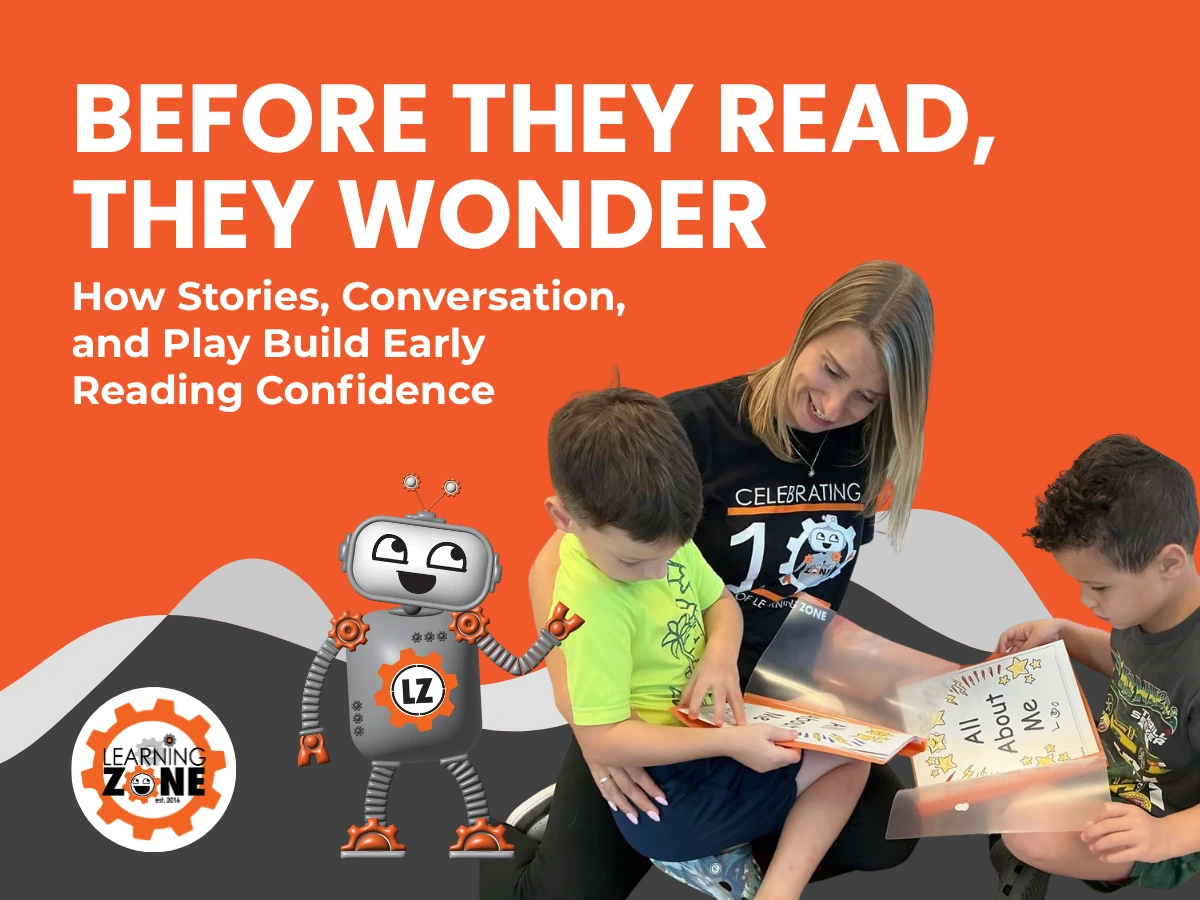
Young children learn best through play because it’s how they naturally explore, practice, and repeat skills without pressure. Play strengthens language, early thinking skills, creativity, and social development in a way that feels enjoyable instead of forced. The blog helps explain what meaningful play looks like, so you can recognize learning even when it looks like fun.
No. Our content is meant to be helpful and informative, but it’s not a substitute for professional guidance. If you ever have concerns about your child’s health or development, it’s always best to speak with your pediatrician or a qualified specialist. Think of this blog as supportive education and a steady place to start.