

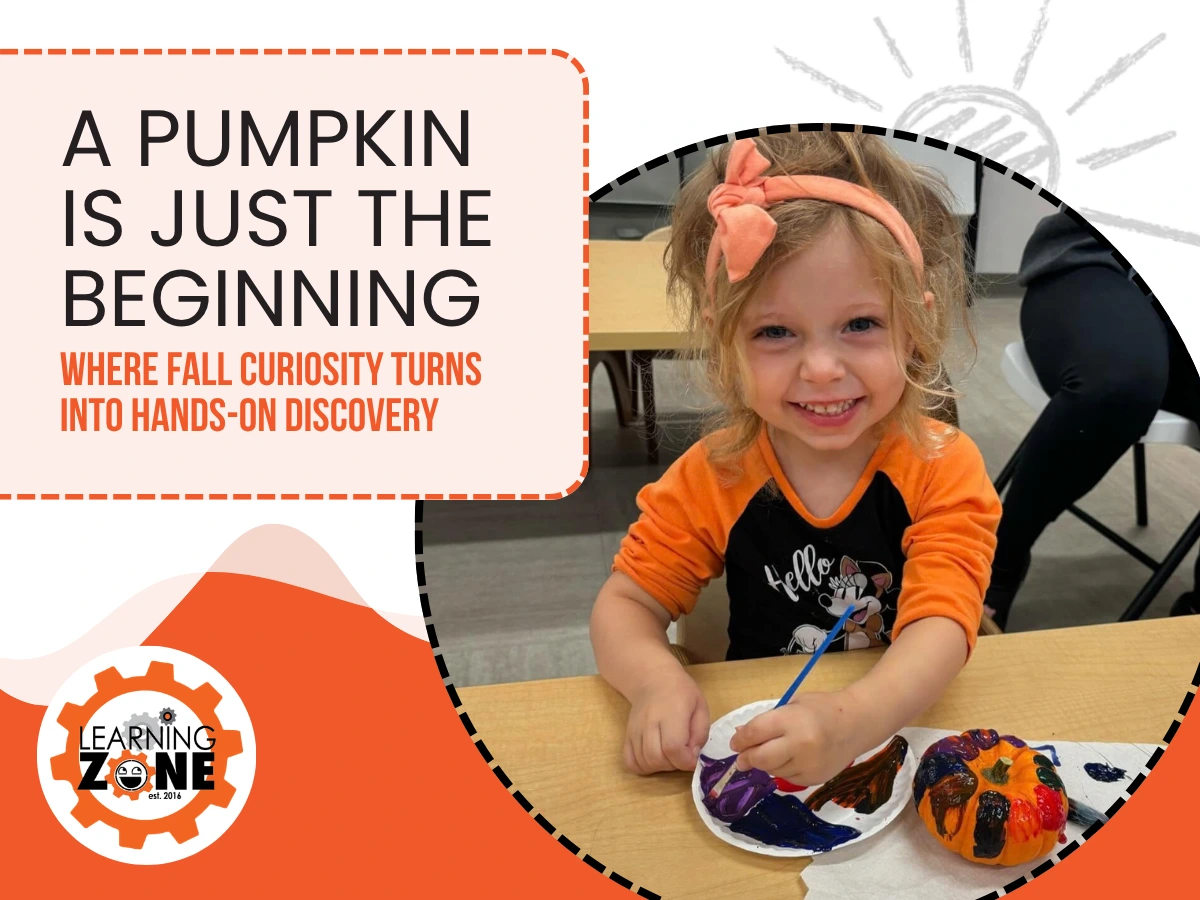
A pumpkin isn’t just a pumpkin to a curious three-year-old. It’s a texture to press, a set of seeds to count, and a mystery waiting to be cracked open. That instinct to touch, ask, and figure things out is exactly what a great STEAM preschool in Nashville, TN builds on, and fall happens to be one of the most generous seasons for it.
As leaves change and gardens shift, children suddenly have real, tangible things to investigate, and that’s where learning truly comes alive.
We know how much thought goes into choosing where your child spends their days. You want more than dependable care during the workday. You want a setting where your little one feels known, feels excited, and actually grows. Fall gives us a natural way to show what that looks like in practice.
Young children learn best when the world hands them something real to explore. In autumn, that happens naturally. Leaves crunch underfoot. The soil feels cool and crumbly. Gourds come in strange shapes and unexpected weights. Herbs release their scent when little fingers brush against them.
These ordinary materials hold so much to discover. When a child holds two leaves side by side and notices one is bigger, they’re comparing. When they wonder why a seed is smooth but a gourd is bumpy, they’re observing and questioning. When they sort acorns into piles, they’re classifying without even realizing it.
This is what early science really looks like. It isn’t worksheets or memorized facts. It’s noticing, wondering, testing, and describing. Nature offers preschoolers wonderful invitations to do exactly that, and fall is full of them. For families exploring preschool science activities in Nashville, harvest time is one of the easiest ways to see genuine curiosity in motion.
Many people think STEAM means sitting children down for short science lessons, then math, then art. That’s not how young minds work, and it’s not how we approach it.
STEAM stands for Science, Technology, Engineering, Arts, and Math, but for a preschooler, those areas blend in a single moment of play. Think about one child exploring a gourd on a tray:
One object. Five ways of thinking. All at once.
At Learning Zone, “technology” rarely means a screen. For our youngest learners, it means simple tools that help them investigate, like a magnifier or a measuring cup. “Engineering” isn’t complicated machinery either. It’s everyday problem-solving: figuring out how to make a tower stand or how to balance something that keeps tipping over. Kept tactile and playful, STEAM becomes something children live rather than something they’re taught.
This is where the fall season becomes especially meaningful, and where our approach really stands apart. Our Seed-to-Table program turns gardens into living classrooms, giving children the chance to learn by doing, feeling, and creating.
Within Learning Zone’s Seed-to-Table approach, harvest-season learning can include a range of sensory, hands-on experiences:
Notice how much learning lives inside these simple moments. A child mashing tomatoes is exploring cause and effect. A child sorting beans is practicing early math. A child smelling herbs is building vocabulary and learning to describe what they notice. And because children work side by side, sharing tools and taking turns watering, they’re also developing patience, collaboration, and a sense of what it means to care for something together.
There’s another quiet benefit, too. Planting, harvesting, and preparing food give children opportunities to explore different ingredients, textures, smells, and tastes in an encouraging environment, without expecting them to try anything before they’re ready.
Behind all this joyful exploration sits a thoughtful framework. Our exclusive C3 Curriculum is built around three pillars: Curiosity, Creativity, and Comprehension. It spans infancy through Pre-K, and it’s guided by the Tennessee Early Learning Developmental Standards.
Here’s the part parents often appreciate most. C3 is carefully structured behind the scenes, but to your child, it simply feels like purposeful play. Rather than jumping from one disconnected topic to the next, children get time to build real understanding through themes that unfold naturally. A fall theme might invite them to explore change, growth, harvest, and the things they can see happening in the world around them.
Curiosity sparks the first question. Creativity gives children room to express and experiment. Comprehension is where deeper understanding takes root. It’s a rhythm designed to help children stay engaged, strengthen their thinking, and grow confident as learners, all without the pressure of formal academics before they’re ready.
Materials matter, but the people guiding your child matter even more. At Learning Zone, we call our teachers Education Engineers, and that name is intentional.
They don’t simply hand a child a basket of vegetables and step back. They might lean in with a gentle question: “What do you think is inside?” “Which one feels heavier?” “What could we build with these?” They know when to guide and when to step back and let children follow their own curiosity. The goal isn’t always to give a child the answer. Sometimes, it’s to help them stay with the question a little longer.
That balance is the heart of good early learning. It’s how a fun moment becomes real understanding, and how children build the kind of confidence that shows up again and again as they grow.
You may start to notice some of these habits at home, too. Your child might ask more “why” questions, describe things with new words, or begin comparing and counting without being prompted. You might see them try a second approach when the first one doesn’t work, or explore unfamiliar material with growing confidence.
These small, everyday moments are often where learning becomes easiest for families to see.
At Learning Zone Century City, curiosity might begin with a pumpkin, a handful of soil, or a question no adult expected. What matters is what happens next: children being given the space, the guidance, and the confidence to keep exploring.
If you’ve been searching for a place where your child can slow down, feel secure, and truly enjoy discovering the world, we’d love to welcome you. As a NECPA-accredited STEAM Preschool in Nashville, TN, Learning Zone Century City brings together everything that makes early learning meaningful: our exclusive C3 Curriculum, tactile STEAM exploration, caring Education Engineers, and the hands-on wonder of our Seed-to-Table program.
Located at 901 Perimeter Court in Nashville, you’ll find bright, welcoming classrooms, thoughtfully designed play spaces, and a steady daily rhythm that helps children feel settled and excited to learn.
We keep families connected through the Procare app, with photos, updates, and notes throughout the day, so you’re never left wondering how things are going. Secure keypad entry and video monitoring give you added peace of mind from the moment you drop off.
For families comparing daycare options around Century City in Nashville, what sets us apart isn’t a longer list of activities. It’s the way we bring curiosity, creativity, and comprehension together – through real experiences, caring teachers, and a program that sees your child as a whole person.
Fall is a wonderful time to see this in action. Schedule a tour or request more information today, and let us show you how your child can explore, discover, and grow with us.
Yes. At the preschool level, STEAM is less about formal subjects and more about how children explore. Sensory materials, simple tools, building, comparing, questioning, and creating all give young children opportunities to investigate ideas through direct experience.
Earlier than most parents expect. For the very youngest learners, STEAM looks like feeling different textures, watching cause and effect unfold, and responding to simple tools and natural materials. Garden-based learning follows a similar principle. A toddler touching soil, smelling a herb, or watching seeds get watered is building the same foundations of observation and wonder that carry forward into more complex thinking. Experiences change with age and development, but opportunities to observe, explore, and respond to real materials can begin early and grow more complex as children grow.
The difference comes down to intention and follow-through. A craft activity produces a finished product. A STEAM experience centers on the process. It’s the questions a child asks while they’re working, the observations they make, and the small moments of testing and discovery. When a child paints with a vegetable, the painting isn’t the point. What matters is whether an adult helped them notice the color it left, wonder why it made that mark, or try a different vegetable to compare. It’s also why the role of a skilled, attentive teacher matters so much. The materials only go so far. It’s what happens in the conversation around them that builds real thinking.

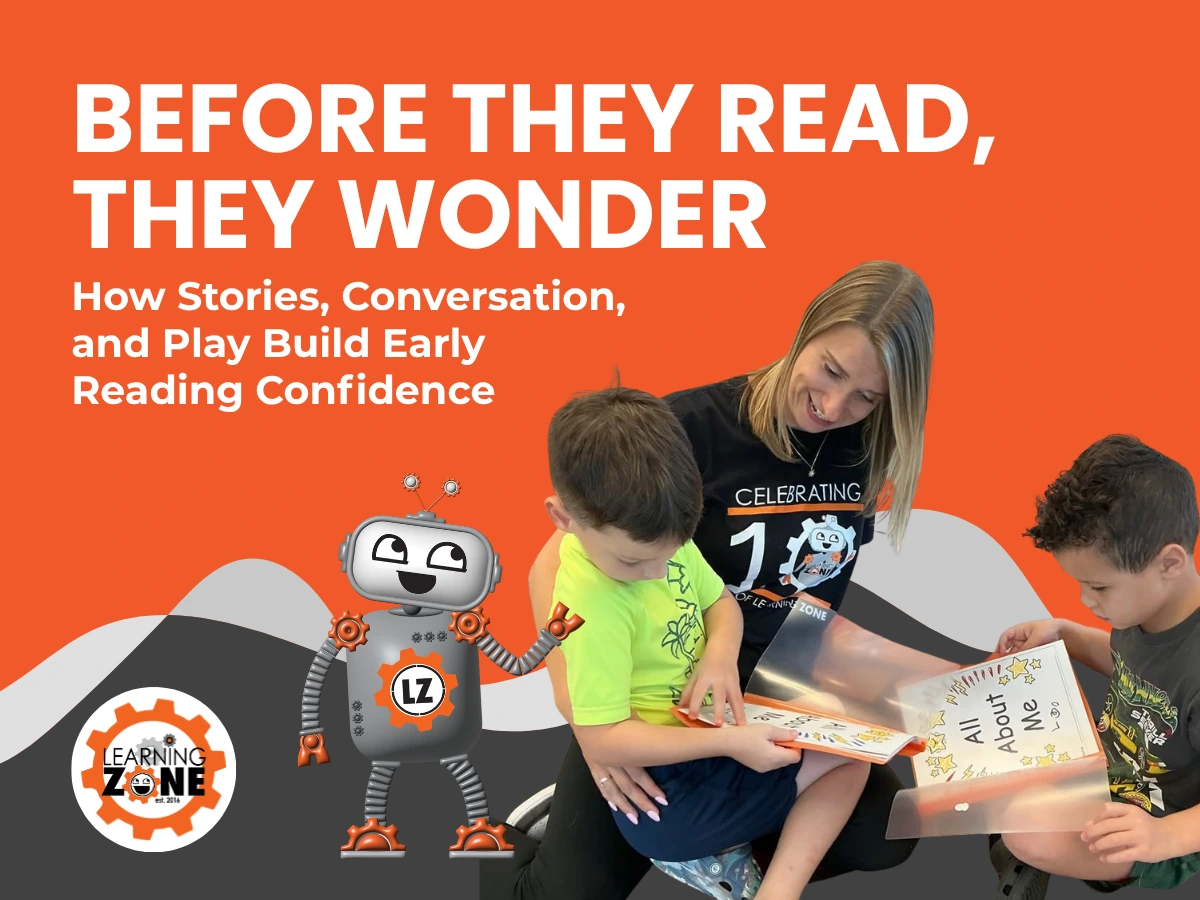
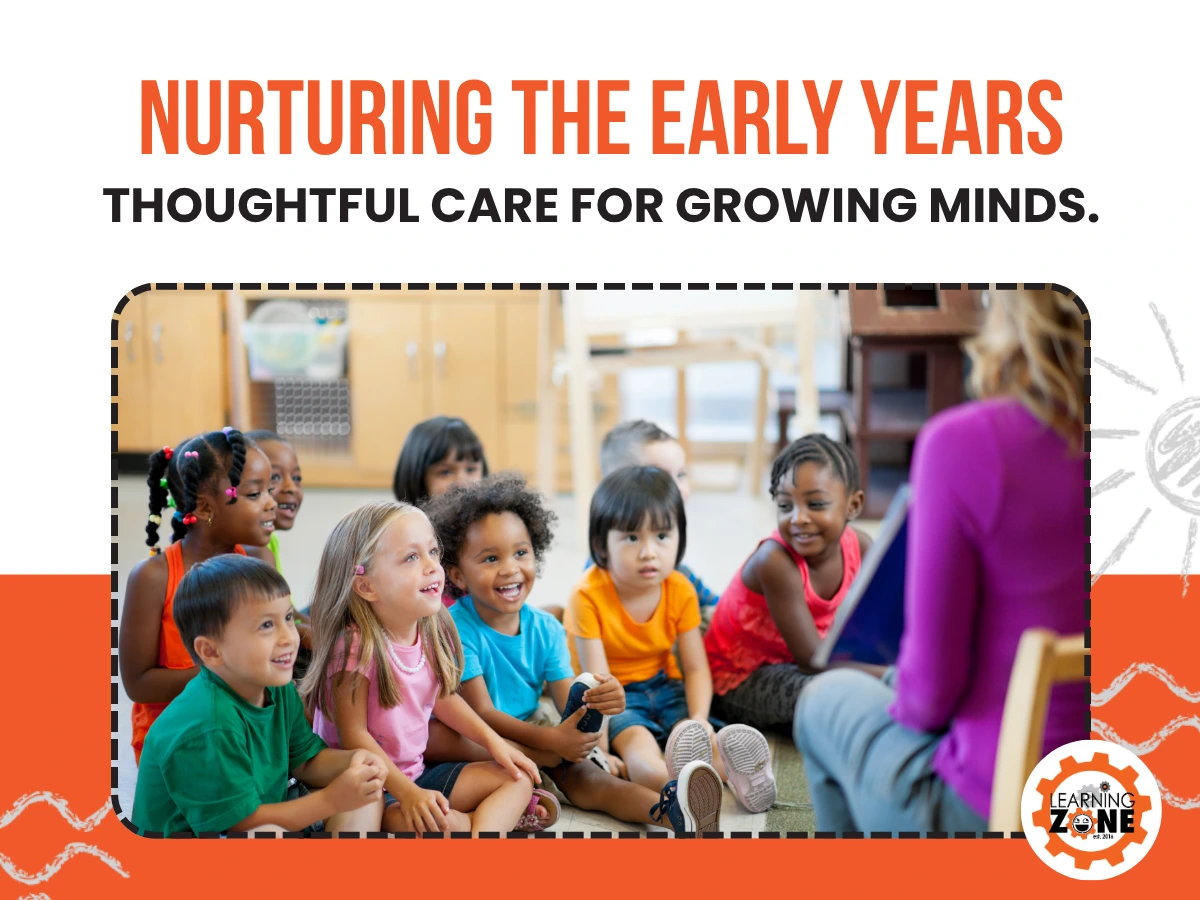
Yes, and that’s intentional. Many families start reading to understand what quality early childhood education looks like and what children need at different stages. Even if you’re still exploring options, our blogs can help you feel more confident about what to look for in a childcare center and what questions to ask during tours.
Yes. Many early childhood challenges are a normal part of development, but they can still feel exhausting at home. You’ll find supportive strategies that respect your child’s emotions while also helping you set clear, age-appropriate boundaries. We also share guidance on common transitions, such as starting daycare, moving to new classrooms, and potty training readiness.
Not at all. Every post is designed to stand on its own, so you can jump into whatever topic feels most helpful right now. Many parents treat the blog like a resource library and return whenever a new stage or challenge arises. If you’re not sure where to begin, starting with the most recent posts is a great option.
New posts are added regularly, especially around the topics parents search for and ask about most. Some seasons focus more on routines and family schedules, while others dive deeper into behavior, development, and early learning. The best way to stay up to date is to check back often or subscribe when available.
Young children learn best through play because it’s how they naturally explore, practice, and repeat skills without pressure. Play strengthens language, early thinking skills, creativity, and social development in a way that feels enjoyable instead of forced. The blog helps explain what meaningful play looks like, so you can recognize learning even when it looks like fun.
No. Our content is meant to be helpful and informative, but it’s not a substitute for professional guidance. If you ever have concerns about your child’s health or development, it’s always best to speak with your pediatrician or a qualified specialist. Think of this blog as supportive education and a steady place to start.