

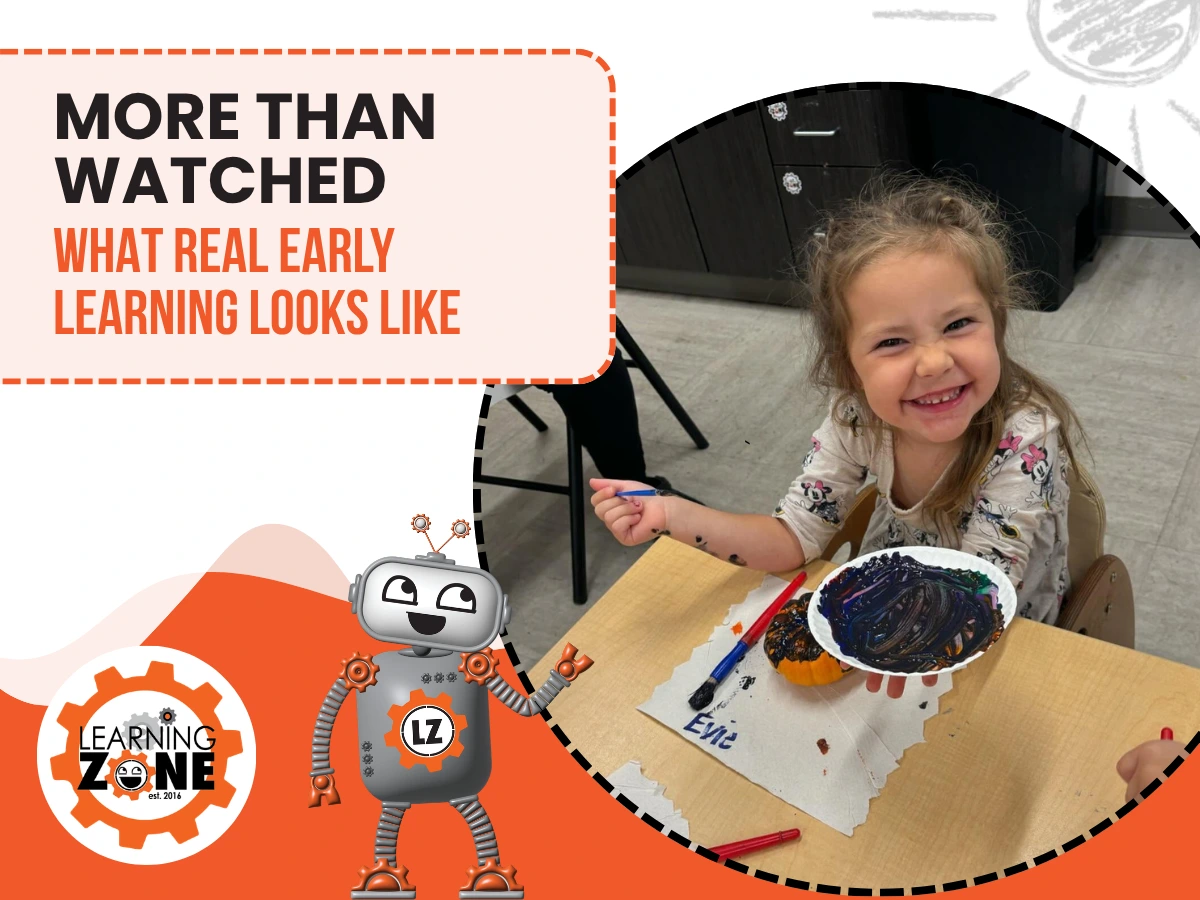
Somewhere between the third tour and the tenth pros-and-cons list, most parents hit the same quiet worry: will my child simply be watched all day, or will they actually be growing? That single question separates basic supervision from real early education, and it’s exactly what families weigh when they start comparing early learning programs in Nashville. The good news is that once you know what to look for, the decision gets a lot clearer.
Let’s walk through what meaningful early learning actually involves, what terms like STEAM and school readiness actually look like in a real classroom, and how to tell the difference between a center that fills the hours and one that shapes the days.
Comprehensive doesn’t mean your two-year-old is cramming for a spelling test. It means the whole child is supported, all at once, through the ordinary moments of the day.
A strong early learning program focuses on more than the alphabet. It builds language and early literacy, plants the seeds of math thinking, and gives kids room to develop emotionally and socially. It also nurtures the less obvious skills, like patience, curiosity, and the confidence to try something new after a first attempt flops.
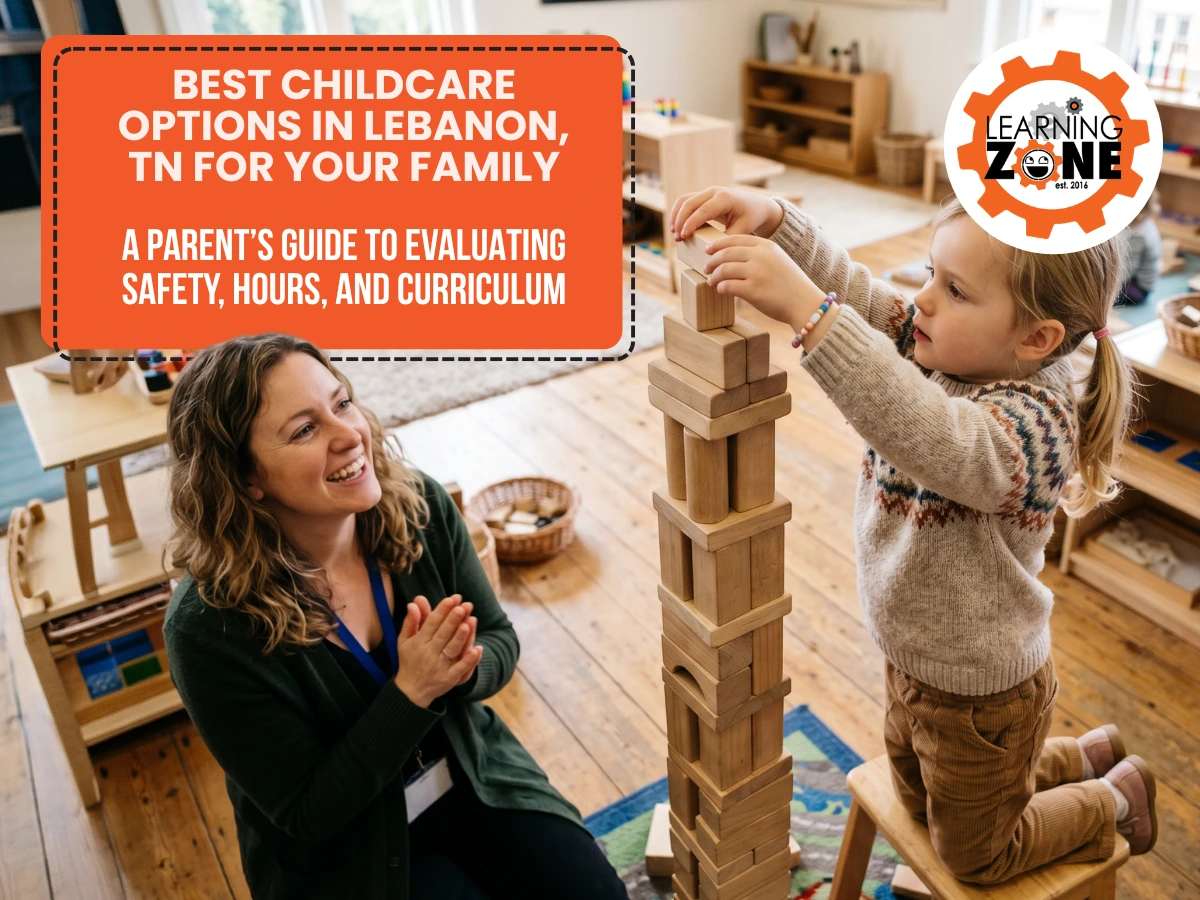
The connection between play and learning is closer than you might think. A block tower that keeps collapsing is a physics lesson. A pretend grocery store is early math and social negotiation. When teachers set up those moments on purpose, play becomes the engine of learning rather than a break from it.
Families searching for daycare services in Nashville often use the terms “daycare” and “preschool” interchangeably, and with good reason. Reliable care that fits a working schedule matters enormously. So does the educational side. Strong early learning centers treat both as essential, offering dependable hours and a plan for what happens during those hours.
Meaningful early learning does not have to look like children sitting at tables completing worksheets. More often, it moves naturally between free exploration, teacher-guided activities, outdoor play, stories, meals, rest, and hands-on projects, with learning woven through each part of the routine rather than confined to a dedicated “lesson time.” That rhythm gives children both the structure they need to feel secure and the space to follow their curiosity.
When you tour a place, ask what a typical day looks like from drop-off to pickup. A strong answer should go beyond meals and rest times to explain how the program intentionally supports learning, exploration, relationships, and play throughout the day. If it includes themed activities, hands-on projects, and time for kids to explore their own ideas, you’re on the right track.
STEAM stands for science, technology, engineering, arts, and math, but forget the acronym for a second. For young children, it simply means hands-on discovery that grows more sophisticated as they do.
For a baby, STEAM might begin with sensory exploration and simple cause and effect: touch this, move that, and something happens. Toddlers start experimenting more deliberately. Preschoolers build, test, tinker, and ask “what if.”
The learning ramps up gradually, matched to what each age can handle. You’re not looking for “advanced academics” here. You’re looking for genuine curiosity being fed with real materials and real problems to solve.
School readiness gets talked about like it’s a checklist of letters and numbers. It’s broader than that.
Yes, early literacy and math foundations matter. But so do the quieter abilities that help a child thrive once they walk into a kindergarten classroom:
These executive-function and social-emotional skills are an important part of school readiness alongside early literacy and math. At its best, school readiness supports the whole child rather than focusing solely on early academic skills.
Curriculum is only part of the picture. How a center handles behavior, keeps parents informed, and approaches safety tells you just as much about whether it’s the right fit for your child.
Watch how a center handles a meltdown, and you’ll learn a lot about its philosophy. Approaches rooted in connection, rather than punishment, help children understand their emotions and make safer choices. Teachers redirect gently, name what a child is feeling, and coach them toward a better response next time.
Conscious Discipline is one well-known framework built on exactly this idea. Instead of shaming a child for a hard moment, the adult stays calm, connects first, and guides the behavior. Over time, kids build the self-regulation that serves them for years.
For a parent stuck in a meeting across town, communication is everything. Modern centers use apps to share photos, daily notes, and updates about meals, naps, and activities.
One honest note: updates usually get logged when a teacher has a free moment, not the instant something happens, because their attention belongs with the children first. That’s a feature, not a flaw. What you really want is meaningful, regular information that helps you feel connected to your child’s day, plus teachers who genuinely know your child’s routines and preferences.
Trust shouldn’t rest on a vague promise that a place is “safe.” Look for clear security procedures, controlled entry, appropriate staff training, and transparent information about how the center keeps children safe. Ask about video monitoring, pickup verification, and what staff training covers.
Everything above stops being abstract when you can see it in one place. Learning Zone Century City brings these pieces together in a way that’s worth a closer look for families searching for a preschool near Century City.
Learning Zone is a family-owned early education provider founded in 2016, now serving families across Greater Nashville and Middle Tennessee. The Century City center at 901 Perimeter Court welcomes children from about six weeks old through Pre-K and is open from 6:30 a.m. to 6:00 p.m., Monday through Friday. Those extended weekday hours can be especially helpful for working families balancing childcare with their daily schedules.
The heart of the program is the C3 Curriculum, built around three words: Curiosity, Creativity, and Comprehension. It’s Learning Zone’s own approach, guided by the Tennessee Early Learning Developmental Standards, and it weaves theme-based lessons, sensory exploration, group discussions, and child-led discovery into the everyday rhythm. STEAM lives inside C3, growing from simple cause-and-effect play for the littlest ones toward building and experimenting as children get older.
Teachers here are called Education Engineers, and they complete training before they’re considered fully prepared in the Learning Zone model, followed by ongoing learning each year. That professional development works alongside something equally important in early childhood: building genuine relationships with the children in their care.
The idea behind Learning Zone’s approach is that a good early learning center works as an extension of your family, with caregivers who take the time to learn each child’s personality, routines, and preferences rather than treating every day as one-size-fits-all.
That familiarity can be especially meaningful during the early weeks, when children are getting used to new people, routines, and surroundings. An educator who takes time to understand a child’s personality, preferences, and familiar routines can provide valuable consistency as that child becomes more comfortable in the new environment.
Then there’s Seed-to-Table, which turns the center’s gardens into living classrooms. Kids plant seeds, watch things grow, get their hands in the soil, make art, work together, and help with simple food prep — all tied to the month’s learning theme. Tasting and taking part are always invited, never forced. It’s a tangible answer to the question of what hands-on learning really means.
Behavior is guided through Conscious Discipline, emphasizing connection, safe choices, and gentle redirection. Families stay in the loop through Procare, with photos and daily information about how the day is going. And the practical safety layer is there too, with secure keypad entry and video monitoring as part of the center’s approach to safety and security.
For families considering toddler care in Nashville, Tennessee, that combination of dependable routines, purposeful play, a thoughtful curriculum, and steady communication can offer two kinds of reassurance at once: children are cared for personally while also being supported in their learning and development.
The best way to judge any program is to stand inside it, watch a classroom in motion, and meet the people who’ll spend the day with your child. If Learning Zone Century City sounds like it might fit your family, reach out to ask about availability or request information, and schedule a tour.
When you visit, notice how teachers speak to children and how children move through the space. Ask what a typical day looks like for your child’s age, how the team helps children settle in during those first weeks, and how families stay connected through the day. Those observations will tell you more than any brochure.
Come see the gardens, meet the Education Engineers, and ask the questions that matter most to you. A visit lets you see the environment firsthand, decide whether Learning Zone Century City feels right for your family, and take that next step with confidence.
Families can begin by contacting Learning Zone Century City directly to request information and ask about current availability. Enrollment can depend on factors such as classroom space and a child’s age, so contacting the center is the most reliable way to understand the next steps for your family.
If you are planning ahead, it can still be worth contacting the center before your preferred start date. Childcare availability can shift, particularly for specific age groups, so reaching out early gives you a clearer picture of what to expect and lets the Century City team point you to the most relevant next steps for your family.
Families interested in Learning Zone Century City can schedule a tour before deciding. A visit is a valuable opportunity to see the environment firsthand, meet the Education Engineers, ask questions specific to your child’s age and needs, and get a real sense of whether the center feels like the right fit for your family.
Along with availability, ask about the enrollment timeline, any required paperwork, your preferred start date, and anything the team should know about your child’s needs or routines. Asking these questions early gives both your family and the center a better opportunity to prepare for a smooth transition.

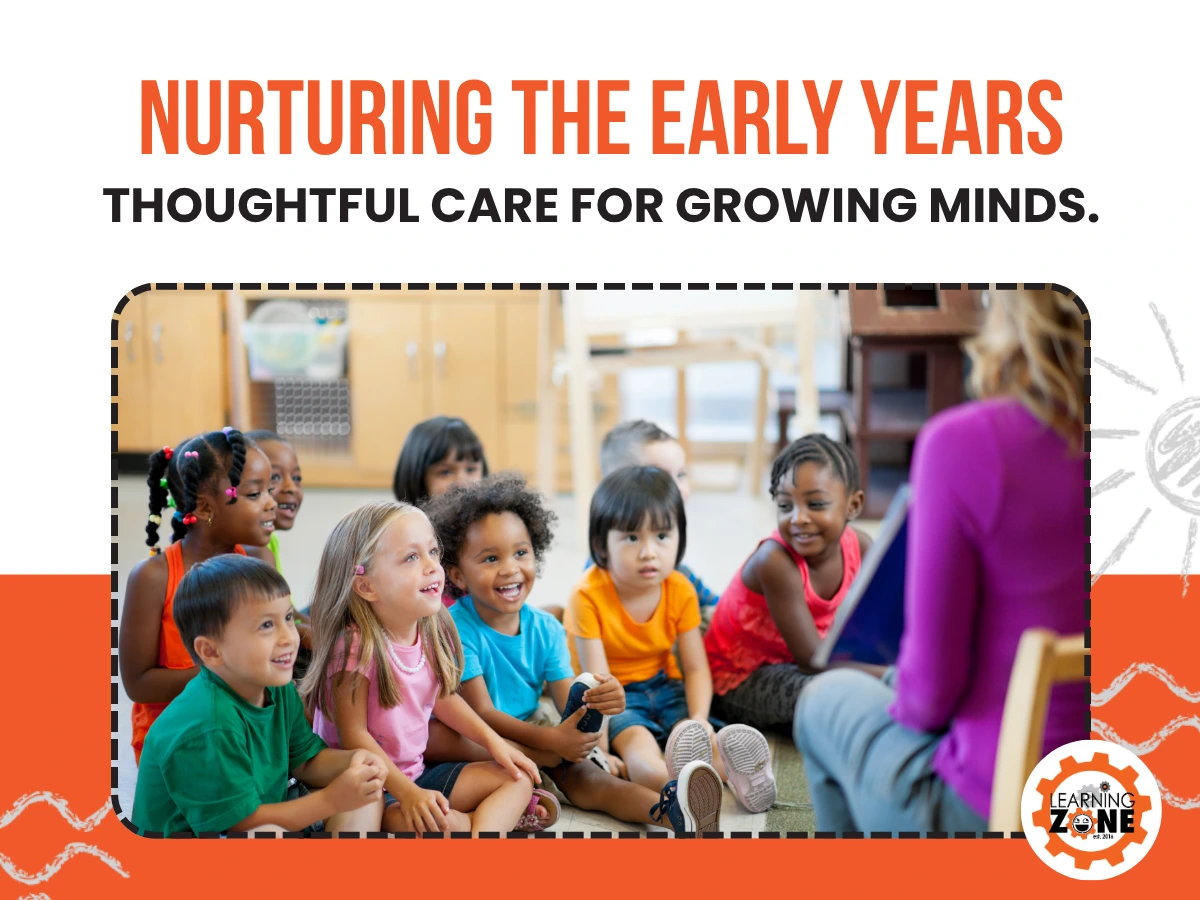
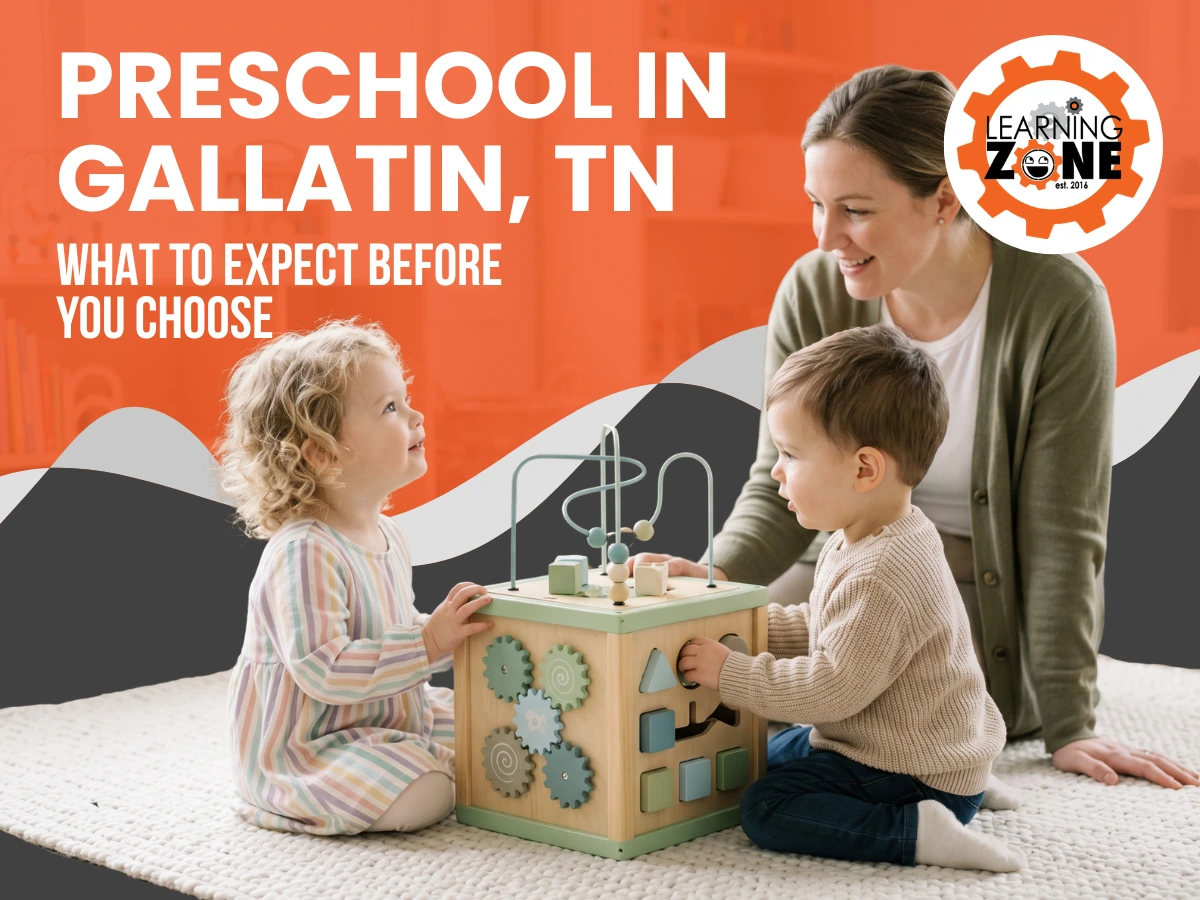
Yes, and that’s intentional. Many families start reading to understand what quality early childhood education looks like and what children need at different stages. Even if you’re still exploring options, our blogs can help you feel more confident about what to look for in a childcare center and what questions to ask during tours.
Yes. Many early childhood challenges are a normal part of development, but they can still feel exhausting at home. You’ll find supportive strategies that respect your child’s emotions while also helping you set clear, age-appropriate boundaries. We also share guidance on common transitions, such as starting daycare, moving to new classrooms, and potty training readiness.
Not at all. Every post is designed to stand on its own, so you can jump into whatever topic feels most helpful right now. Many parents treat the blog like a resource library and return whenever a new stage or challenge arises. If you’re not sure where to begin, starting with the most recent posts is a great option.
New posts are added regularly, especially around the topics parents search for and ask about most. Some seasons focus more on routines and family schedules, while others dive deeper into behavior, development, and early learning. The best way to stay up to date is to check back often or subscribe when available.
Young children learn best through play because it’s how they naturally explore, practice, and repeat skills without pressure. Play strengthens language, early thinking skills, creativity, and social development in a way that feels enjoyable instead of forced. The blog helps explain what meaningful play looks like, so you can recognize learning even when it looks like fun.
No. Our content is meant to be helpful and informative, but it’s not a substitute for professional guidance. If you ever have concerns about your child’s health or development, it’s always best to speak with your pediatrician or a qualified specialist. Think of this blog as supportive education and a steady place to start.