

The moment you hand your child off at the door, you want to know one thing above all else: they’ll be safe, seen, and cared for like an individual. For families weighing early childhood education in Nolensville, that instinct matters more than any brochure or shiny playground. You’re not just looking for a place to drop off your child. You’re looking for people who will genuinely help them grow.
Whether you’re exploring infant care, a preschool spot, or dependable weekday coverage through Pre-K, understanding what nurturing early education actually looks like can make the decision feel far less overwhelming.
The word “nurturing” gets used so often in childcare that it can start to feel hollow. So let’s be specific.
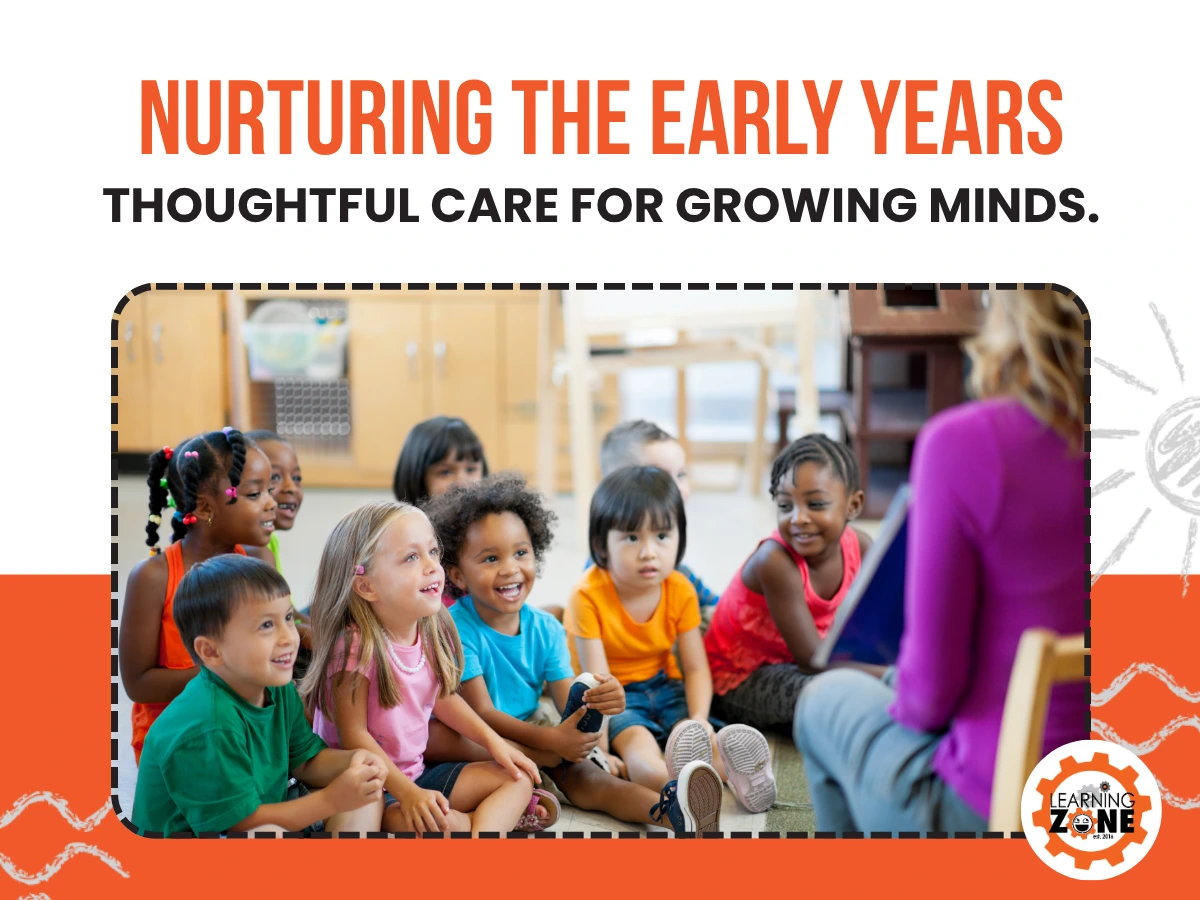
Nurturing care isn’t about supervision alone. It’s about relationships. Young children learn best when they feel safe, known, and supported enough to explore the world around them. That emotional foundation comes first, because a child who trusts the adults around them is ready to try new things, ask questions, and recover from small frustrations.
In practice, nurturing care looks like:
Quality early care should support the whole child. Not just cognitive skills, but emotional security, social development, and physical confidence. When those elements come together, learning follows naturally. That whole-child approach sits at the heart of the Learning Zone philosophy.
Between six weeks and kindergarten, a child changes more than at almost any other point in their life. The best early childhood programs recognize those differences and respond to them.
For the very youngest children, care is built around trust and routine. Babies benefit from responsive relationships, familiar routines, and attention to individual needs. If you’re comparing infant care in Nolensville, Tennessee, the most telling questions aren’t about curriculum. They’re about how caregivers learn each baby’s needs, how they communicate with you, and how they make a new environment feel calm rather than overwhelming.
As babies become toddlers, language, movement, independence, and curiosity all accelerate. This stage calls for patient adults who guide rather than hover, and an environment that encourages children to make choices and build confidence in their own abilities.
During the preschool years, play becomes more purposeful. Children engage with early literacy, mathematical thinking, creativity, problem-solving, and the social skills that come from spending time with peers. As Pre-K approaches, readiness-building can become more intentional, preparing children for kindergarten through hands-on experiences rather than drills or pressure.
A program that supports children across all of these stages gives families something valuable: continuity of educational philosophy and approach as their child grows.
This is one of the most common questions parents carry into their search, and it’s worth answering directly.
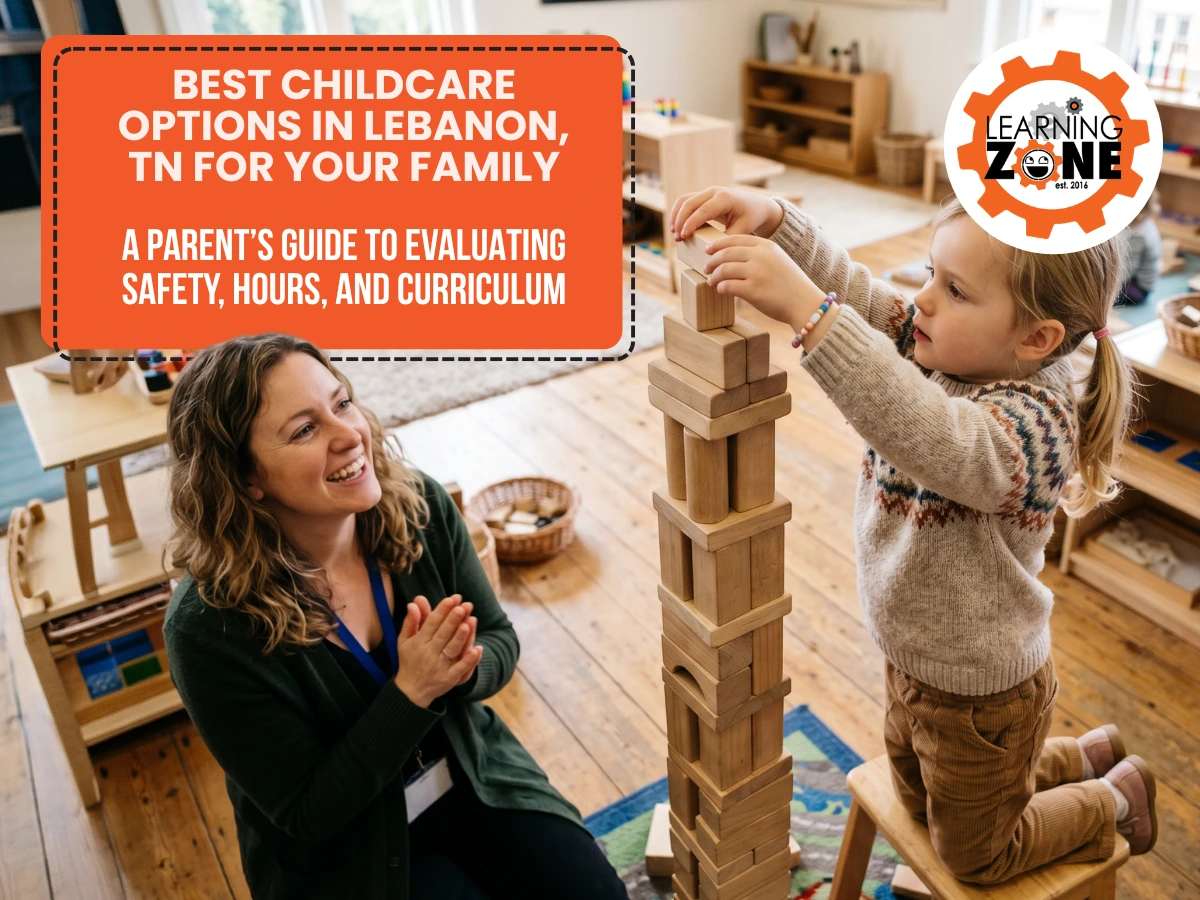
Play and learning are not opposites. When play is guided thoughtfully, it becomes a powerful vehicle for early development. A child stacking blocks is testing balance and cause-and-effect. A group working in a garden is observing change and discovering how things grow. A toddler narrating a pretend story is building vocabulary and creative confidence.
At Learning Zone, this is the heart of the C3 Curriculum, a proprietary framework built around Curiosity, Creativity, and Comprehension. Guided by Tennessee Early Learning Developmental Standards, C3 blends teacher-led experiences with child-led discovery. Children learn by building, experimenting, asking questions, creating, communicating, and engaging in other hands-on experiences that make early concepts meaningful.
STEAM-based learning is woven naturally into that approach. Science, technology, engineering, art, and mathematics emerge through hands-on exploration, giving children opportunities to build, experiment, create, and engage with early concepts in active, age-appropriate ways. These experiences give children opportunities to practice problem-solving and creative thinking.
For parents comparing preschool programs in Burkitt Commons, this distinction matters. School readiness doesn’t have to mean a rushed academic experience. It can mean building the curiosity, communication, and confidence that support the transition to kindergarten and continued learning.
Some of the most meaningful early learning happens when children are fully engaged with something real. The Seed-to-Table Program is a strong example. Children plant, grow, and taste, connecting what’s on their plate to the garden it came from. It’s sensory, curious, and hands-on in the truest sense.
These experiences give children opportunities to observe change, explore through their senses, and ask questions about how things grow and where food comes from. It’s a practical, living example of what the phrase “Powered by Imagination” means. Not imagination as decoration, but as the engine behind genuine discovery.
Once you move past the marketing language, most families are weighing the same handful of priorities. Keep these front and center as you compare Nolensville child care services:
A quick word on trust: Quality programs should be realistic about child development rather than promising the same outcomes for every child. What you really want is a center that welcomes your questions, invites you to visit, and is transparent about how it operates.
Parents naturally prioritize safety. But emotional security matters just as much, especially in the early years.
Children benefit from caregivers who provide consistency, respond calmly, and help them work through everyday early-childhood challenges, such as separation from family, sharing, frustration, new friendships, and transitions. These interactions, repeated day after day, are how children gradually build independence and confidence.
Knowing how your child is settling in and what they’ve been exploring creates a sense of connection that matters. At Learning Zone Burkitt Commons, families stay connected through updates, photos, reports, and communication via the Procare app. The location also features secure keypad entry and video monitoring to support a safe, protected environment.
That said, technology is most valuable when it supports relationships rather than replacing them. One of the clearest signs of a nurturing childcare environment is still the everyday connection between families and the educators caring for their children. The conversations at pickup, the small observations shared, the quiet reassurance that educators are taking time to understand your child as an individual.
For families seeking early childhood education in Nolensville that pairs genuine warmth with purposeful learning, Learning Zone Burkitt Commons brings together the elements parents most often describe as essential.
The center serves children from 6 weeks through Pre-K, giving families access to early care and education across several important stages of childhood within the same Learning Zone setting. As children’s needs change, the wider Learning Zone philosophy continues to emphasize nurturing relationships, hands-on learning, and age-appropriate development.
Teachers at Learning Zone are known as Education Engineers, and the title reflects their role. They build relationships, support individual children, and create classrooms where children feel safe enough to explore. Education Engineers receive extensive training before qualifying and continue their professional development each year.
The C3 Curriculum, hands-on STEAM experiences, and the Seed-to-Table Program give children real, engaging ways to learn through discovery rather than pressure. The Procare app keeps families informed and connected. Secure keypad entry and video monitoring support a safe physical environment. Learning Zone also states on its website that the organization is NECPA accredited, an added signal of its commitment to quality.
Most importantly, this is early education that feels personal. Bright, thoughtfully designed classrooms, gentle routines, and an emphasis on individual relationships sit alongside a curriculum designed to support growth, confidence, and age-appropriate learning. It’s an approach that prepares children for what comes next, without rushing them to get there.
Choosing the right early care is a deeply personal decision, and no amount of research replaces walking through a space and seeing it firsthand. Learning Zone Burkitt Commons is located at 1010 Burkitt Place Drive, Nolensville, TN 37135, and is open weekdays from 7:00 a.m. to 6:00 p.m. You’ll also find helpful enrollment and parent resources to review before your visit.
Visit the Nolensville location, explore the learning spaces, meet the Education Engineers, and learn about programs for your child’s age. Schedule a tour or request more information today to see whether Learning Zone Burkitt Commons feels like the right fit for your family.
Transitions between classrooms are a normal part of early childhood programs, and how a center manages them says a lot about its culture. At Learning Zone, the broader educational philosophy remains consistent across age groups, which provides a degree of continuity even as children’s rooms and routines evolve.
Academic readiness gets a lot of attention, but social-emotional skills are just as foundational. Learning to share, manage frustration, take turns, and build friendships are skills children practice every day in a quality early childhood setting. Programs that invest in positive guidance and consistent relationships give children the tools to navigate these moments, and those early experiences can shape how children approach challenges and connect with others long after they leave preschool.
Many families use these terms interchangeably, but there is a meaningful difference worth understanding. Daycare typically refers to supervised care during working hours, while early childhood education programs layer intentional learning experiences on top of that care. A quality early education program like Learning Zone combines both: dependable weekday care alongside a structured curriculum designed to support children’s development at each stage. For families in Nolensville, knowing what to look for in that combination can help you evaluate programs more confidently rather than simply comparing hours and location.

Yes, and that’s intentional. Many families start reading to understand what quality early childhood education looks like and what children need at different stages. Even if you’re still exploring options, our blogs can help you feel more confident about what to look for in a childcare center and what questions to ask during tours.
Yes. Many early childhood challenges are a normal part of development, but they can still feel exhausting at home. You’ll find supportive strategies that respect your child’s emotions while also helping you set clear, age-appropriate boundaries. We also share guidance on common transitions, such as starting daycare, moving to new classrooms, and potty training readiness.
Not at all. Every post is designed to stand on its own, so you can jump into whatever topic feels most helpful right now. Many parents treat the blog like a resource library and return whenever a new stage or challenge arises. If you’re not sure where to begin, starting with the most recent posts is a great option.
New posts are added regularly, especially around the topics parents search for and ask about most. Some seasons focus more on routines and family schedules, while others dive deeper into behavior, development, and early learning. The best way to stay up to date is to check back often or subscribe when available.
Young children learn best through play because it’s how they naturally explore, practice, and repeat skills without pressure. Play strengthens language, early thinking skills, creativity, and social development in a way that feels enjoyable instead of forced. The blog helps explain what meaningful play looks like, so you can recognize learning even when it looks like fun.
No. Our content is meant to be helpful and informative, but it’s not a substitute for professional guidance. If you ever have concerns about your child’s health or development, it’s always best to speak with your pediatrician or a qualified specialist. Think of this blog as supportive education and a steady place to start.