
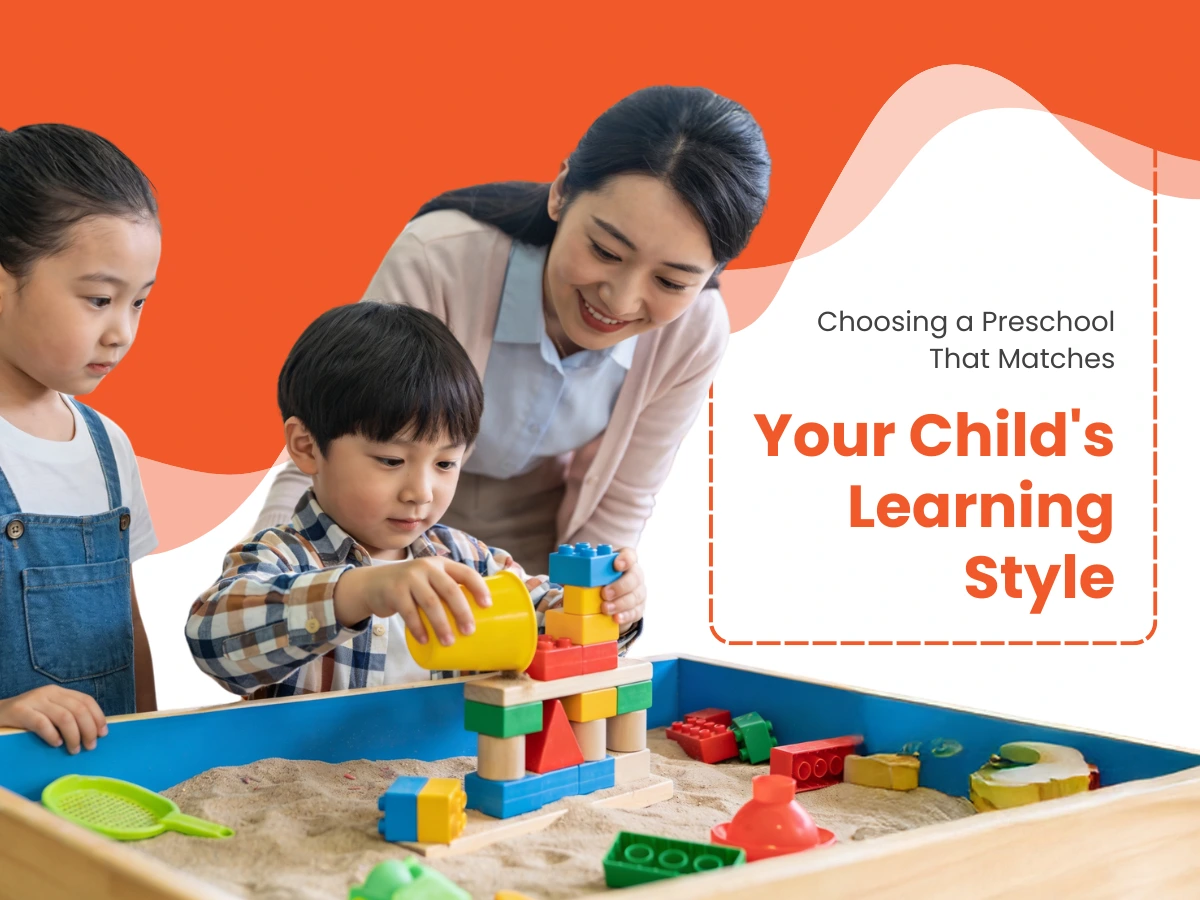
If you are wondering how to choose preschool based on a child’s personality, you are already asking one of the most helpful questions a parent can ask. A beautiful classroom, a strong reputation, and a convenient location all matter. But so does this: will your child actually feel comfortable, understood, and ready to participate there? The best preschool fit is not just about what looks good on paper. It is about finding an environment that works with your child’s energy level, learning style, and natural way of moving through the day.
At Learning Zone, that idea shapes the way we think about early childhood. Founded in 2016 in Murfreesboro, Tennessee, Learning Zone began with a simple vision: to create a preschool and daycare experience where children feel safe, loved, and excited to learn each day, never like they are simply being dropped off and picked up. That family-first approach still shapes how our classrooms feel, how our teachers connect, and how children are supported from infancy through Pre-K.
Two children can walk into the same classroom and have two completely different reactions.
One may light up right away. They notice the blocks, the sensory table, the music, the other children, and they are ready to jump in before you even finish signing in. Another may hold your hand a little tighter. They watch first. They listen. They need time to decide whether the room feels safe enough to join.
Neither reaction is wrong.
Some children thrive in a busier, louder, fast-moving environment. Others do better when the room feels steady, predictable, and easier to read. That is why preschool fit matters so much. A strong classroom is not just warm and engaging in general. It also gives different kinds of children space to settle in at their own pace.
Parents sometimes feel pressure to choose the preschool that seems most impressive. But fit often matters more than flash. A child who feels secure is more likely to take risks, build friendships, ask questions, and enjoy learning. A child who feels overwhelmed may need more time, more support, and a classroom rhythm that feels easier to trust.
That is one reason Learning Zone places so much value on helping children feel safe, supported, and at home. The goal is not just to keep children busy. It is to help them feel known, welcomed, and ready to grow in a place that feels like a real extension of family life.
When parents hear the phrase preschool learning styles explained, it can sound more complicated than it really is.
In real life, it usually comes down to one simple question: how does your child most naturally take in the world around them?
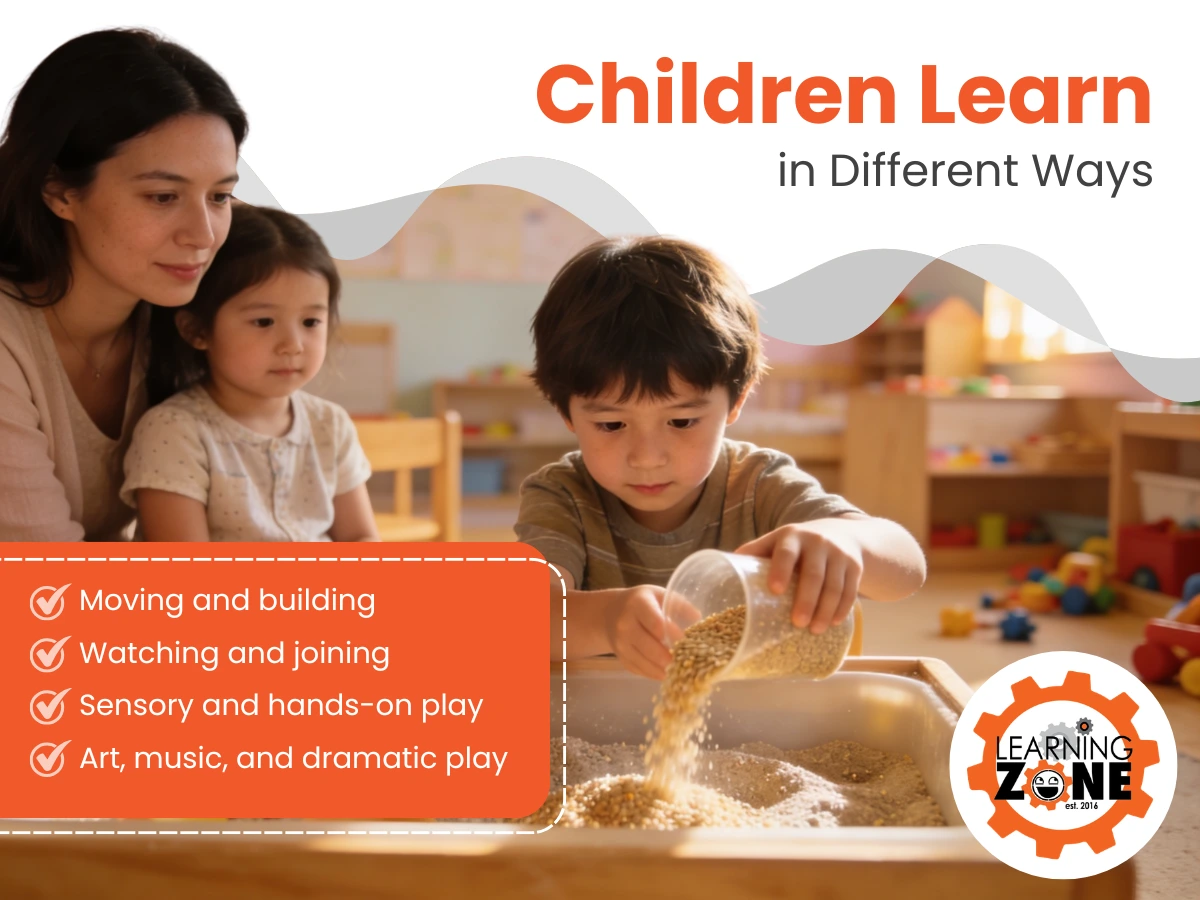
Some children learn by moving. They build, stack, pour, climb, touch, and experiment.
Some children learn by watching first. They need to take in the room, understand the flow, and then they join when they feel ready.
Others connect most through sensory experiences, art, music, dramatic play, or real-world exploration.
A strong preschool environment makes room for more than one way to learn. It gives children opportunities to build with blocks, listen to a story, paint a picture, or dig in the garden, sometimes all in the same day. When you understand how your child naturally engages, it becomes easier to spot the kind of classroom where they are more likely to feel comfortable, curious, and ready to participate.
A good preschool fit does not mean your child will never have hard days. It means the environment makes it easier for them to settle in, connect with others, and grow over time.
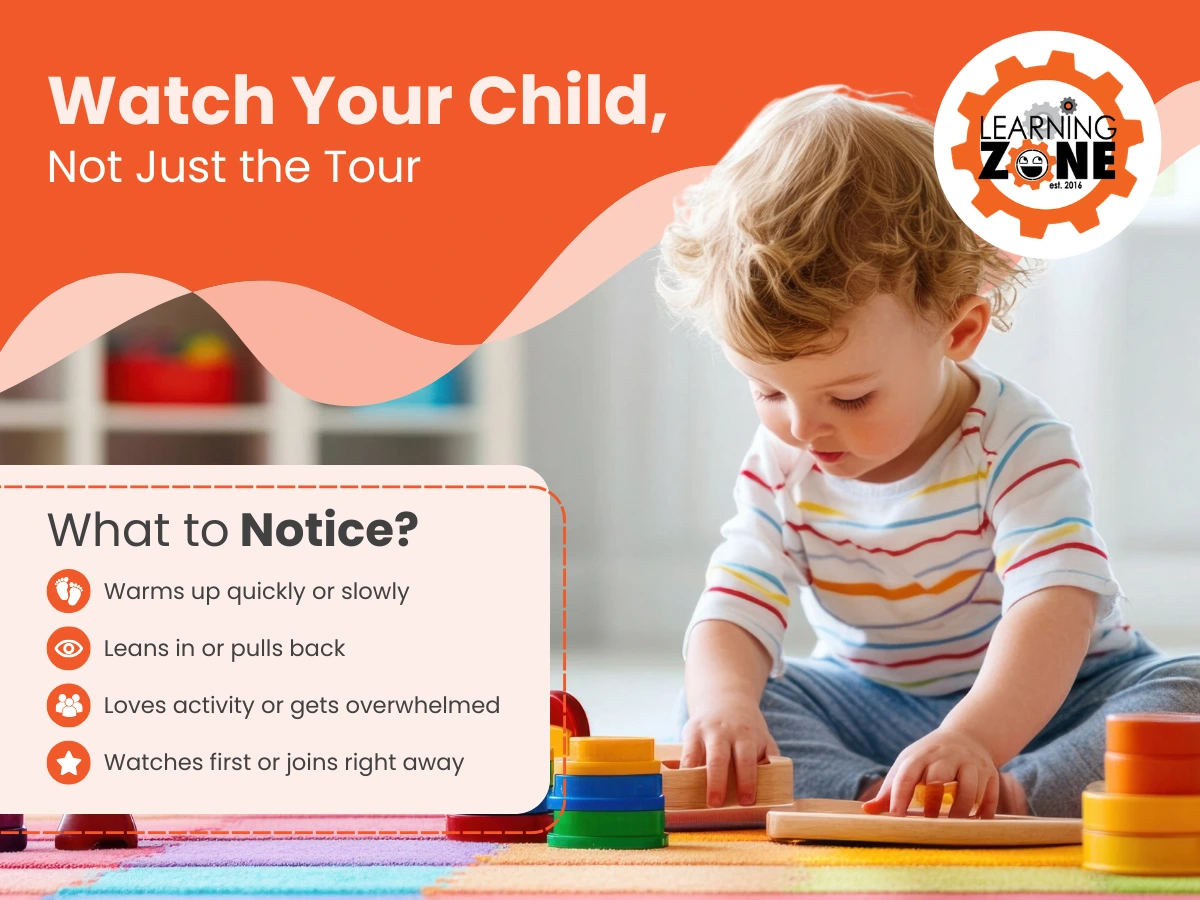
Matching childcare to temperament is not about putting children into neat little boxes. It is about noticing what helps your child feel settled, what seems to overwhelm them, and what kind of environment helps them open up.
Parents sometimes talk themselves out of what they are seeing. They think, “Maybe my child just needs to get used to it.” Sometimes that is true. But sometimes your child is showing you something important about the pace, energy, or emotional tone that helps them feel comfortable enough to grow.
That is why tours matter. Not just the scripted part. The real moments matter more.
Watch your child’s body language. Do they lean in or pull back? Do they seem curious, cautious, energized, or shut down? Are they drawn toward the activities, or are they scanning the room for safety first?
At Learning Zone, that is one reason our programs are built around hands-on, play-based, STEAM-focused experiences. Our classrooms emphasize guided discovery, classroom projects, sensory learning, and meaningful everyday experiences rather than one-size-fits-all instruction. Children often learn best when learning feels active, engaging, and real.
This is also where Seed-to-Table becomes more than a special activity. It gives children another way to connect. Some children respond to soil, plants, textures, cooking, and sensory exploration before they ever connect to more traditional academic routines. Sometimes the clearest sign of preschool fit is not how quickly a child settles into a chair. It is how naturally they begin to explore.
When parents picture a preschool fit for an active child, they often think of one thing first: space to move. That does matter. But active children usually need more than movement alone.
An active child may not struggle because they are “too much.” They may struggle because the environment asks them to sit still for long stretches, wait too long between engaging moments, or move through the day in ways that do not match how they learn.
In our experience, active children often do best in classrooms with a strong daily rhythm and learning that feels hands-on. Well-planned transitions matter too. They help keep energy from turning into frustration.
That is where purposeful, hands-on learning can make a real difference.
At Learning Zone, our C3 Curriculum is built around Curiosity, Creativity, and Comprehension. It was designed specifically for our schools and supports children from infancy through Pre-K through hands-on STEAM learning that encourages discovery and confidence. Instead of asking children to learn in one narrow way, we build the day around movement, play, exploration, and meaningful engagement.
This can be especially helpful for children who learn by doing. A classroom that includes building, sensory play, art, outdoor exploration, and guided discovery gives active children more ways to stay involved without feeling constantly redirected.
This is also where our Seed-to-Table program can make a real difference. For some children, the best learning happens when their whole body is involved. In our Grow Zones and Seed-to-Table experiences, children plant, water, harvest, taste, and explore through real-world activities that connect movement, curiosity, and learning. That kind of hands-on experience can be especially meaningful for children who need learning to feel active and alive.
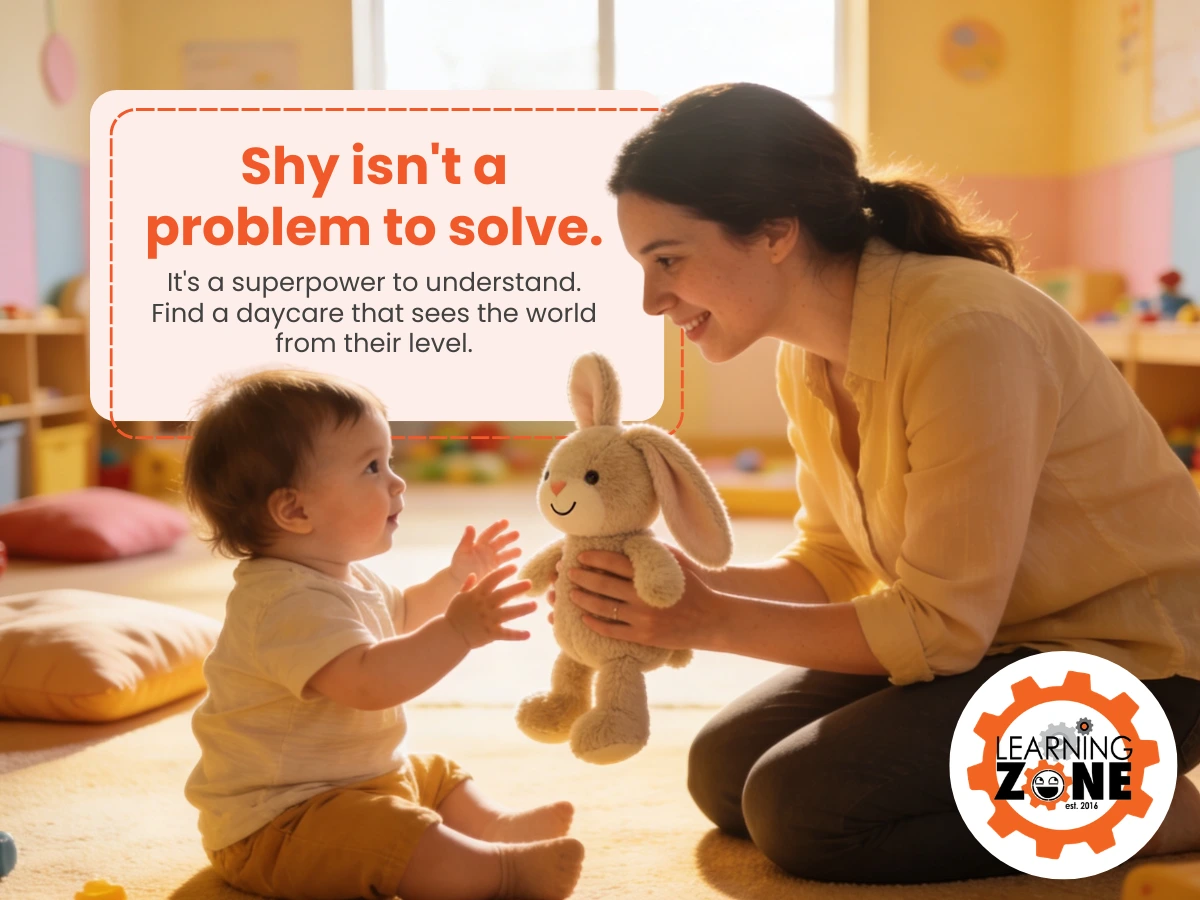
Shy children are often deeply observant. They may take in the room before they join it. They may need a little more time with a teacher before they feel ready to speak up, take part, or separate more easily at drop-off. That does not mean they are not a good fit for preschool. It usually means the classroom needs adults who understand that trust often comes before participation.
A daycare for shy toddlers does not need to be quiet all the time. It does need to feel emotionally safe.
When you tour, notice what happens at the doorway. Is there a warm greeting? Does the teacher get down to the child’s level? Is there space for a slower handoff without making the child feel like a problem to solve?
At Learning Zone, our teachers are called Education Engineers because they do more than supervise. They build meaningful relationships, guide social-emotional growth, and create classrooms where every child feels known and capable. For a shy toddler, that kind of relationship-building matters. It helps the classroom feel less like a room full of strangers and more like a place where familiar faces are ready to help.
This is also where Conscious Discipline matters. Our positive guidance approach focuses on emotional safety, connection, and respectful communication. That means children are not pushed through big feelings or rushed through transitions. They are guided with safe choices, age-appropriate redirection, and real support. For a hesitant toddler, that can make the difference between simply being present in a classroom and actually feeling comfortable enough to grow there.
When you tour a preschool, it helps to look beyond the polished parts of the room and pay attention to how the classroom actually feels.
Here are a few things to watch:
You are not searching for a perfect day or moment. The real takeaway: Look for signs that your child can feel comfortable, settle in, and belong over time.
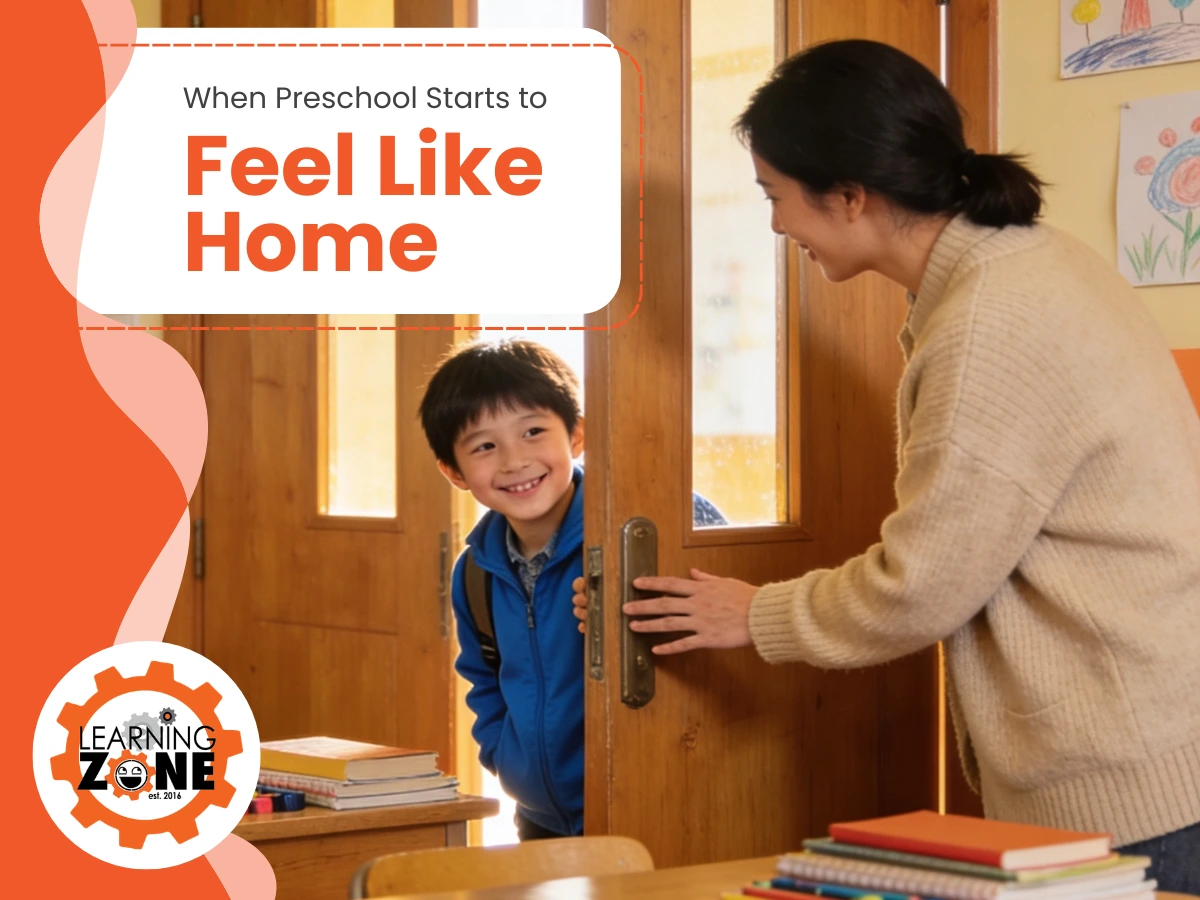
The right preschool fit is not about finding a perfect label for your child. It is about finding a place where your child can walk in, settle down, and feel more like themselves. At Learning Zone, that has been the heart of our work since the beginning. We want children to feel safe, loved, and excited to learn.
That support shows up in ways families can actually feel:
For many families, the right preschool fit becomes clear in a simple way. The room feels right. The child feels seen. The day feels easier. And little by little, school starts to feel less like a place your child has to get through and more like a second home where they can truly grow.
If that sounds like the kind of preschool fit your family needs, Learning Zone is worth a closer look.