

Searching for child care can honestly feel like a second job. You read reviews, ask friends, scroll local parent groups, and still wonder what matters most when you finally walk through the doors. On top of that, it is not just a practical decision. It is emotional. You are choosing the place where your child will be cared for, comforted, and guided during some of the most important early years.
If you have been asking yourself how to choose a childcare center that fits your family, this guide will help you narrow the noise and make a confident decision. From identifying your must-haves to asking the tough questions during tours, we’ve got you covered.
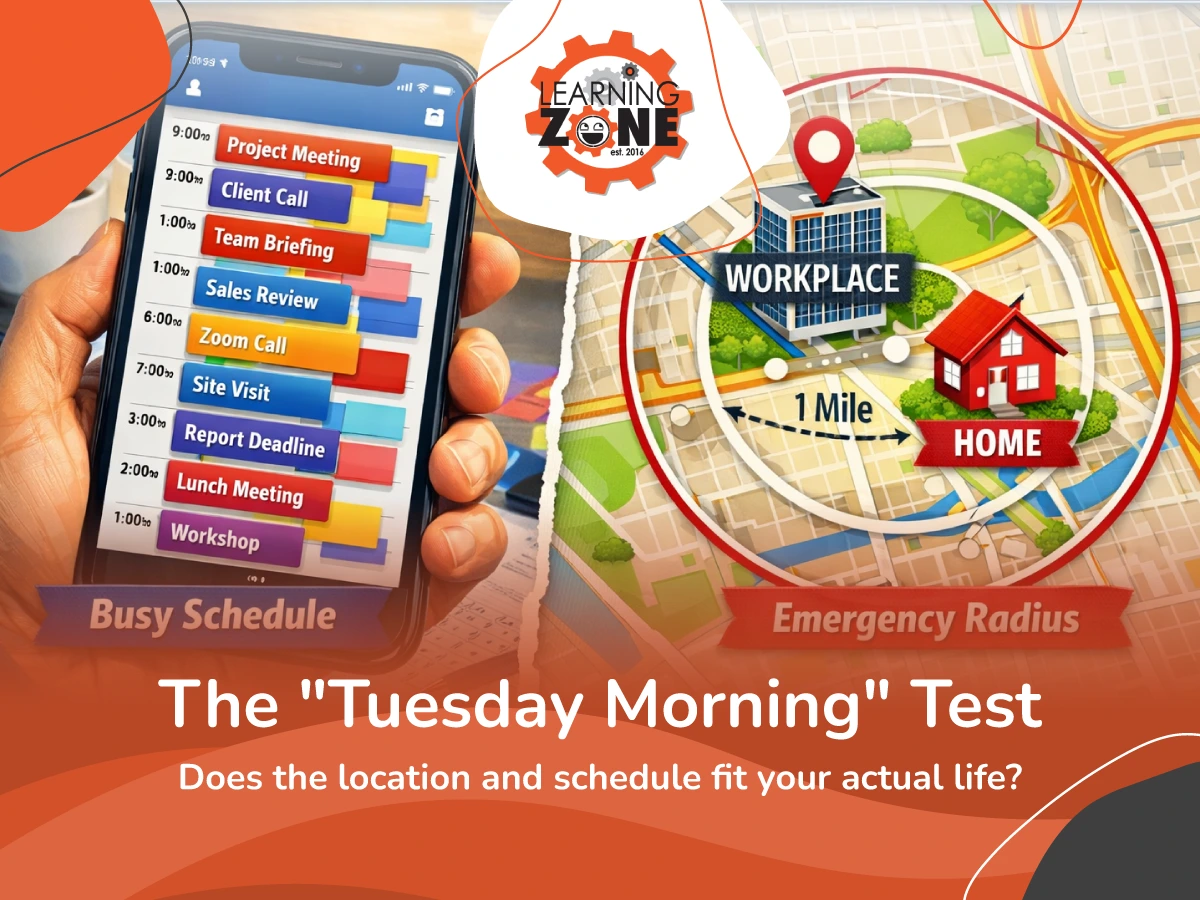
Before you start touring, it helps to be honest about what your family actually needs on a Tuesday morning at 8:00 AM. The goal is not to find a “perfect” center. The goal is to find the right fit for your schedule, your child, and your comfort level.
Think about your proximity to the center. If you get a call that your little one has a fever or a rough morning, how quickly can you realistically get to them? Choosing a location within a manageable “emergency radius” of your work or home reduces the stress of unexpected midday calls.
Look at the drop-off and pick-up area. Is there a clear, safe process for getting your child from the car to the teacher? A chaotic parking lot can make for a stressful start to every morning.
Verify that the center’s hours align with your actual work schedule, including a little “buffer time” for traffic. Also, ask about the “total cost.” Beyond tuition, find out about registration fees, supply fees for art projects, or extra charges for meals. Knowing the full number upfront prevents surprises later.
When parents hear terms like “play-based,” “academic,” or “STEAM,” it can be hard to translate them into daily life. A simple way to think about it is this: what do you want your child’s day to feel like?
Some families want a strong focus on early literacy and structured learning. Others prefer a more holistic approach in which learning occurs through guided play, projects, and exploration. Many great programs blend both. What matters is that the approach matches your values and your child’s temperament.

A website gives you the facts, but a tour gives you the feeling. When you walk through the doors, what to look for in a childcare center comes down to the small, unscripted moments between teachers and children.
Observe the children currently in the room. Do they look settled and occupied? You want to see “hands-on” learning, kids playing with blocks, painting, or exploring sensory bins, rather than just sitting in front of a screen or wandering around.
The facility should be clean and child-proofed, but it shouldn’t feel like a hospital. A few toys on the floor are fine, that’s a sign of play. What matters most is the communication. Ask if they use an app to send you updates throughout the day. Getting a photo of your child eating lunch or a quick note about a long nap can be a huge relief for a parent.
Once the tour looks promising, it is time to examine the “behind the scenes” factors that affect stability, quality, and trust over time.
Licensing is essential. It means the center meets the required standards for safety and operations.
Accreditation is optional, but it can be a positive sign. Accredited programs typically go through additional review and continuous improvement processes. If a center is accredited, ask what that means for training, curriculum, and classroom expectations.
Teacher turnover can affect children more than many families realize. Young children do best with consistent caregivers.
Ask questions like:
A center that values staff often provides a more stable experience for children.
You learn a lot about a program by reading their handbook. Strong programs usually have clear written policies for:
Clear policies protect families and staff. Vague policies usually create confusion later.
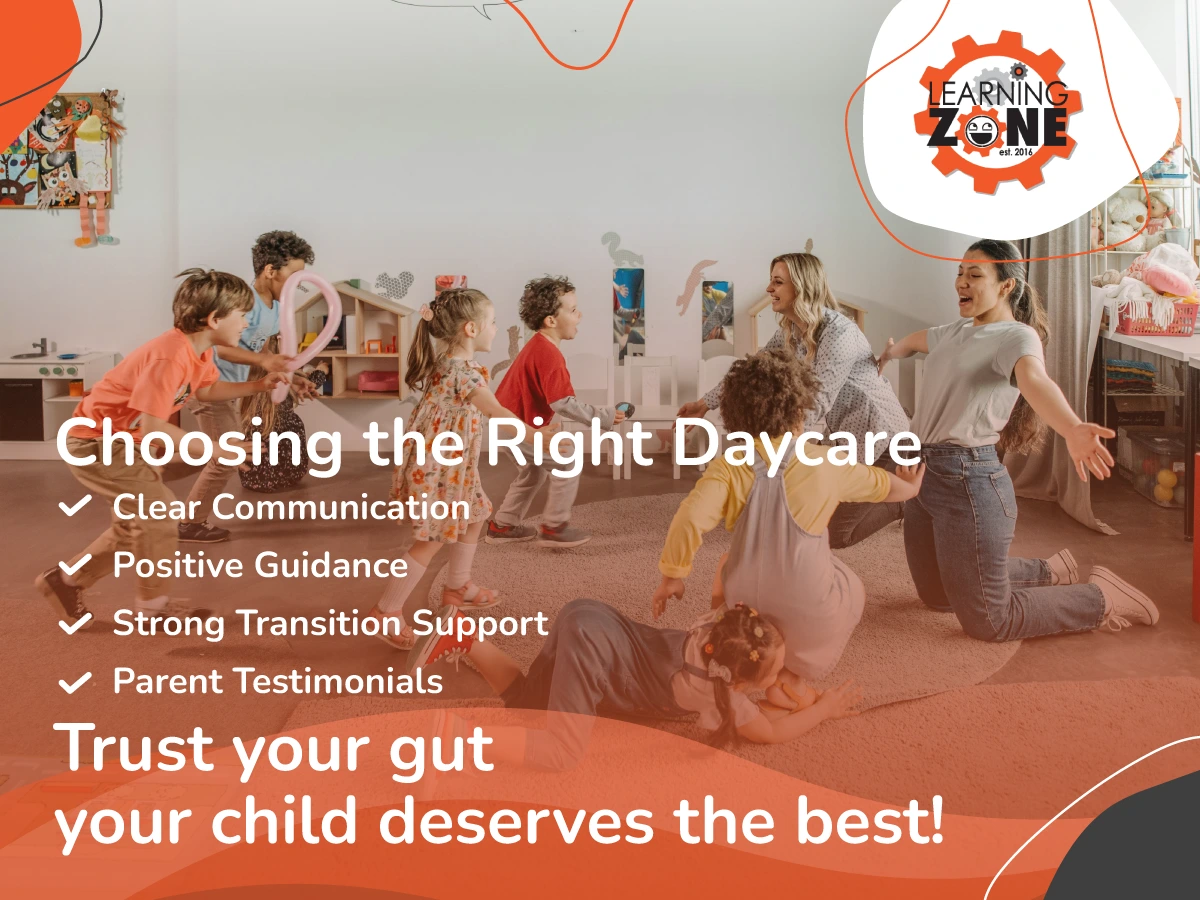
Before you make your final choice, have a direct conversation with the Director. Choosing the right daycare is about finding a team you can talk to openly.
“How do you communicate with parents?”
Listen for clear systems: daily reports, an app, newsletters, and how quickly they respond when a parent has a concern.
“What is your approach to behavior guidance?”
You want calm, consistent, age-appropriate guidance. If the answer is vague, press gently for specifics.
“How do you support new children during the first two weeks?”
Strong programs can explain drop-off routines, comfort strategies, and how they partner with families during adjustment.
“How do classroom transitions work as children grow?”
Ask how and when children move up, and how families are prepared for it.
“Can you share references or connect me with a current parent?”
Not every center can do this due to privacy, but confident programs usually have a way to share testimonials or community feedback appropriately.
Trust your parental intuition. After the tours and the questions, give yourself a moment to reflect. When you walked through the halls, did you feel a sense of warmth? Could you picture your child being comforted there if they had a bad day? If the facts look good but your “gut” feels off, it’s okay to keep looking. You are the expert on what your child needs.
If the items in this checklist are exactly what you want in a center, Learning Zone is worth a closer look. Many families in Middle Tennessee come across Learning Zone because it blends high standards with a genuine, neighborhood feel. We view our role as a partnership with your family, helping the transition from home to school feel as smooth as possible.
At Learning Zone, we don’t just “watch” children; we provide a space designed for their specific developmental stages.
Choosing the right center is a big step for your family. We invite you to see if our environment is the right fit for yours.
Ready to see the difference for yourself? Schedule a tour and let’s talk about how we can support your child’s journey.