

Choosing a daycare is one of those parenting decisions that can seem practical at first. You check the location, compare the hours, look through the programs, and try to find something close enough to make mornings easier.
Then the decision starts to feel much bigger.
You are not only looking for a daycare near Siegel Road. You are looking for the people who may comfort your child during a hard drop-off, celebrate their first friendships, notice their small victories, and help them feel safe while they learn to explore the world without you right beside them.
That is what makes this choice so important. The right child care setting is not just a place where your child spends the day. It becomes part of their routine, their confidence, their early learning, and their sense of belonging.
For families near Siegel Road in Murfreesboro, choosing daycare, toddler care, preschool, or Pre-K often comes down to a few deeper questions: Will my child feel safe here? Will the teachers understand their needs? Will I know how their day is going? Will this environment help them grow, not just pass the time?
This guide can help you think through those questions with more clarity as you compare child care options near Siegel Road.
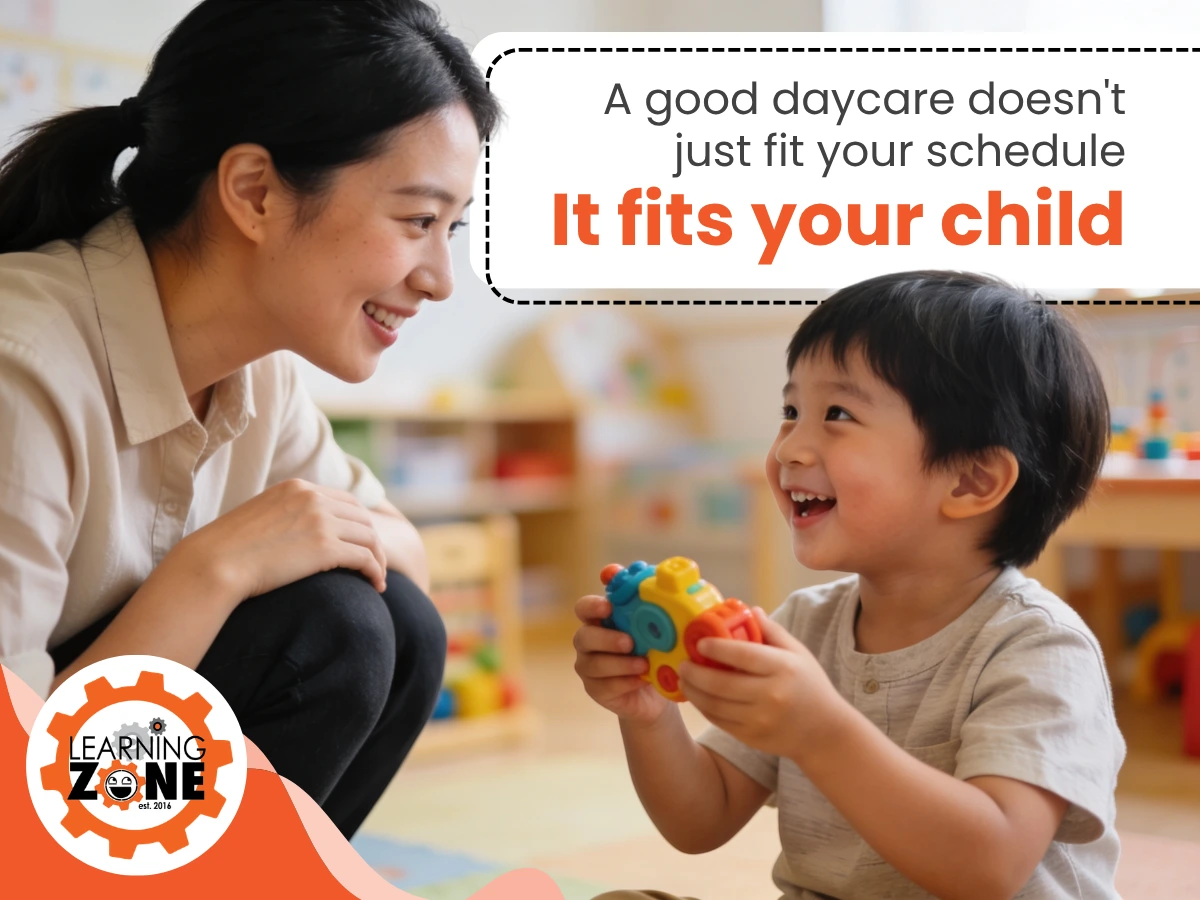
A good daycare near Siegel Road has to work for your schedule, but it also has to feel right for your child. Families are often looking for both: practical support they can rely on and a classroom where their child feels safe enough to explore.
When you visit a child care center, pay attention to the details that shape a child’s day. Notice how teachers speak to children. Do they get down to the child’s level? Do they offer comfort without rushing? Do they guide behavior with patience? Do children seem familiar with the classroom rhythm?
These everyday moments reveal more than a brochure can.
A thoughtful child care environment usually has a steady flow throughout the day. Children know where to put their belongings, what happens after drop-off, when it is time to eat, when they can move their bodies, and when they can rest. That kind of predictability helps young children feel secure, especially as they learn to separate from parents, follow routines, and express their needs.
Safety is part of that bigger picture. Parents should feel comfortable asking about supervision, check-in procedures, classroom routines, cleaning practices, and how transitions are handled.
These questions are not overly cautious. They help you understand how intentionally the day is managed. A center may talk about safety in general terms, but you should also see it in the small routines: teachers counting children before moving outside, helping children wash their hands before meals, keeping walkways clear, and guiding transitions calmly.
The right program should also balance care with meaningful learning. Young children learn through play, conversation, movement, repetition, and hands-on discovery.
A toddler stacking blocks is practicing coordination, early problem-solving, patience, and cause-and-effect. A preschooler sorting leaves, building a pretend store, or helping water plants may be developing language, early math, and observation skills, as well as responsibility.
Good child care need not feel overly formal to be educational. Often, the most meaningful learning happens when teachers know how to turn ordinary classroom moments into opportunities for growth.
Parents searching for the best daycare for toddlers on Siegel Road are often thinking about more than convenience. Toddlerhood is an active, emotional, fast-changing stage. Children at this age are learning how to use words, manage frustration, share space with others, follow routines, and become more independent.
That takes time. It also takes teachers who understand that toddler behavior is often communication.
A toddler crying at drop-off may need reassurance and a familiar routine. A child who grabs a toy may need help learning to wait, ask, or take turns. A child saying “no” may be practicing independence, not simply being difficult. In a thoughtful toddler program, teachers respond with calm guidance and realistic expectations.
A toddler classroom should provide children with space to move, explore, and practice independence safely. That may look like climbing on age-appropriate equipment, pouring water at a sensory table, carrying a favorite book to the carpet, or trying to wash hands with gentle guidance. Just as important, toddlers need adults who can slow down enough to notice what each child is trying to communicate.
One helpful question to ask during a tour is: “What happens if my child has a hard time at drop-off?”
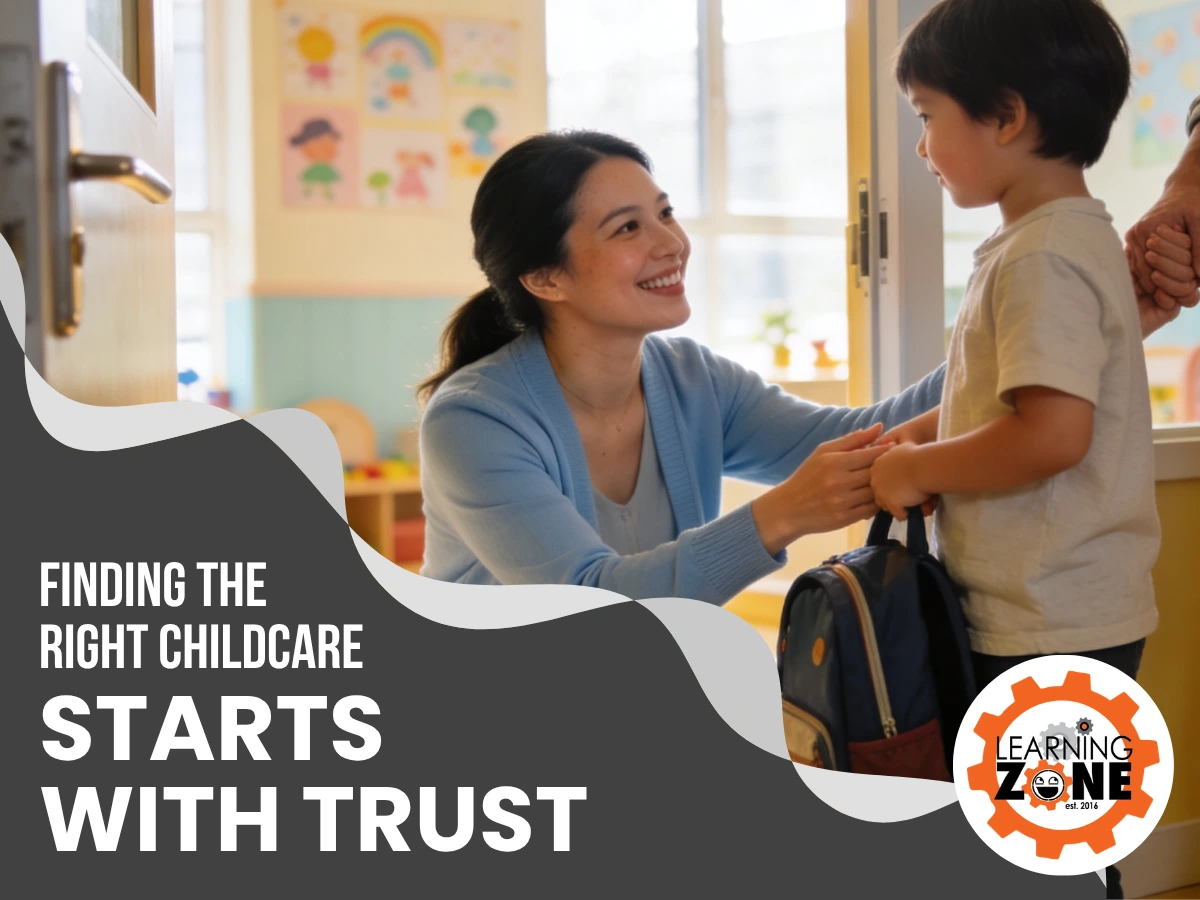
The answer can tell you a lot. A strong response may include comfort from a familiar teacher, help with transitioning into a preferred activity, communication with parents, and a plan to build consistency over time. No parent expects every morning to be perfect, but you should feel confident that the center has a caring approach when mornings are hard.
Toddler care should feel nurturing but not passive. The best environments give toddlers room to explore while gently helping them build confidence, language, social skills, and independence.
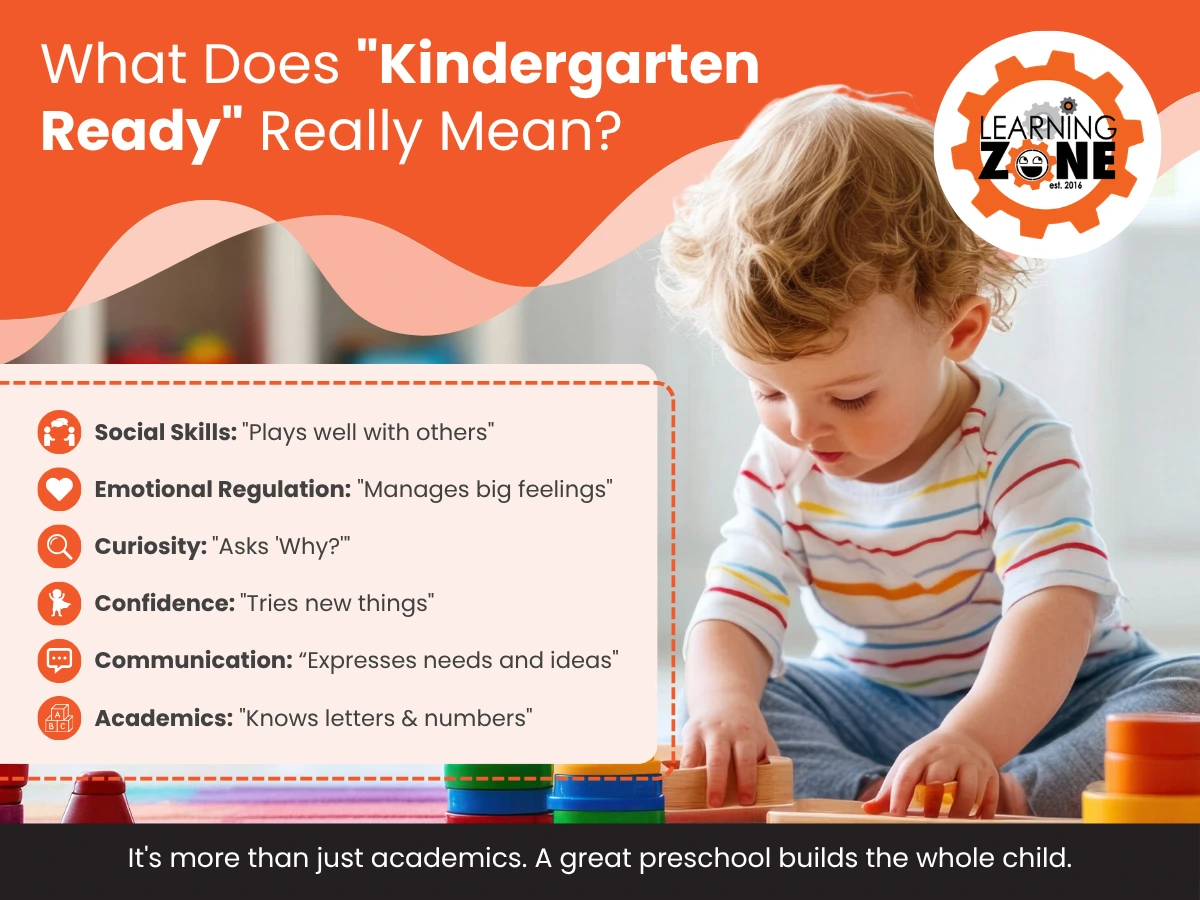
When parents compare the preschool programs available at Siegel Road, it is natural to ask about kindergarten readiness. But readiness is not only about letters, numbers, or writing a name. It also includes confidence, communication, curiosity, emotional regulation, and the ability to participate in a group.
A strong preschool classroom provides children with many opportunities to practice those skills throughout the day. Story time can build listening and language. Block play can introduce balance, planning, and teamwork. Art, nature walks, movement games, and simple classroom jobs can all help children practice independence in ways that feel natural.
These activities may look simple, but they support important development.
For example, when children build a bridge with blocks, they are learning about balance, planning, teamwork, and persistence. When a teacher asks, “What do you think will happen if we add one more block?” children begin practicing prediction and reasoning. When a child waits for a turn with the glue bottle, they are building patience and social awareness.
Preschool should feel purposeful, but not pressured. Children do benefit from structure, yet they also need room to wonder, test ideas, make mistakes, and try again. When a classroom treats curiosity as part of learning, children are more likely to build confidence along with early academic skills.
During a tour, a few thoughtful questions can help you understand what the day actually feels like for children:
These questions move the conversation beyond general promises. They show whether the program has a thoughtful approach to the real moments children experience every day.
One way to compare child care options is to picture the day from your child’s point of view.
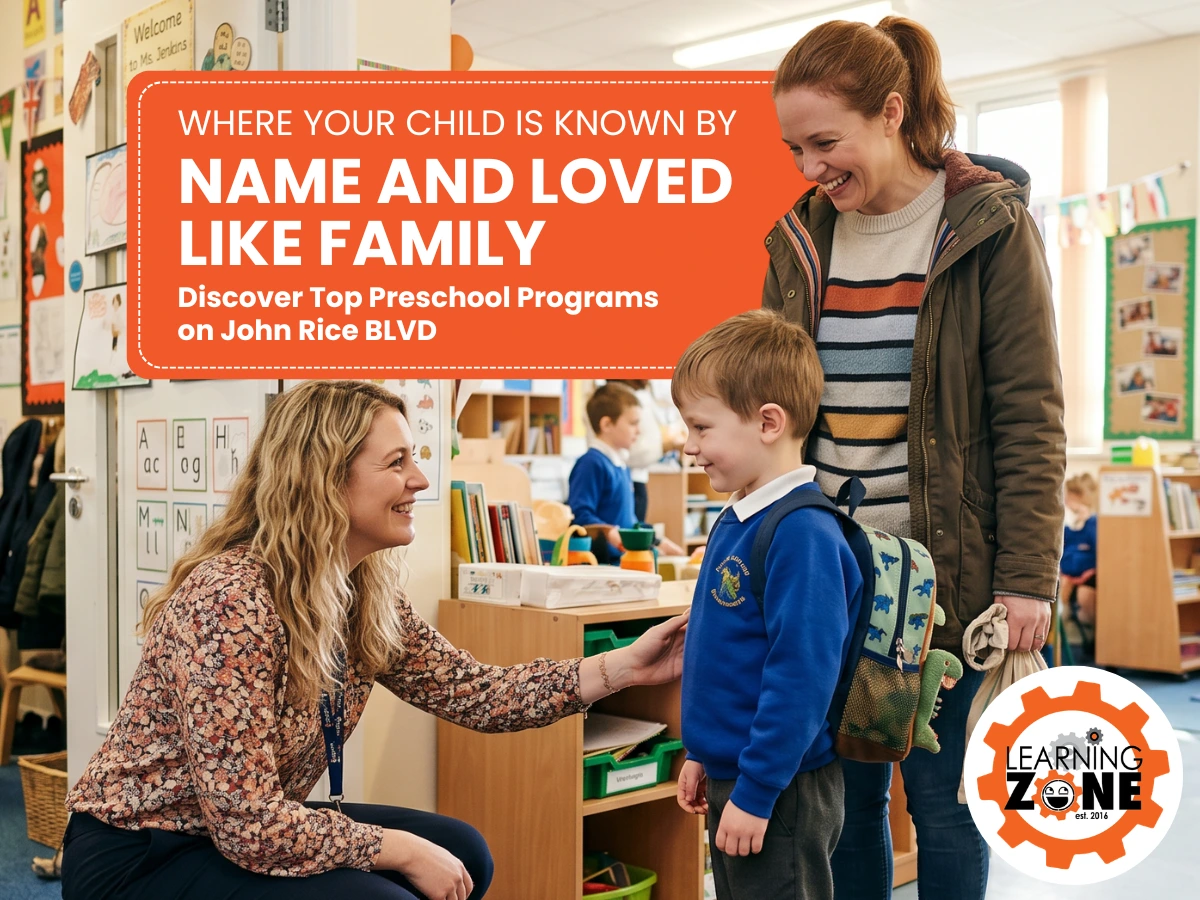
The morning begins with drop-off. A teacher greets your child by name and notices how they are feeling. Some children may need a hug and a quiet activity. Others may be ready to wave goodbye and run toward a favorite classroom area. The goal is not to make every child separate in the same way. The goal is to help each child feel supported as they move into the day.
From there, the classroom settles into its rhythm. Toddlers may explore sensory bins, listen to a short story, practice washing hands, or move outside for fresh air and active play. Preschoolers may build, paint, count, observe, pretend, ask questions, or join a group activity with teacher guidance.
A quality child care day is not random. It has a pattern children can trust. There is time for movement and rest, individual exploration and group connection, teacher-led activities, and child-led play. That balance helps children stay engaged without feeling overwhelmed.
For parents, the day feels different when communication is strong. A photo, note, or update can bring peace of mind during work hours. It can also give you a small window into your child’s world. Maybe your toddler tried a new activity. Maybe your preschooler helped a friend. Maybe your child needed extra comfort after a nap and received it.
By pickup, you should feel like you are not starting from zero. A quick check-in about the day can help you understand what your child experienced, what went well, and what may need support tomorrow.
That is what separates strong child care from basic supervision. It creates a day where children are known, guided, and encouraged in ways that families can feel.
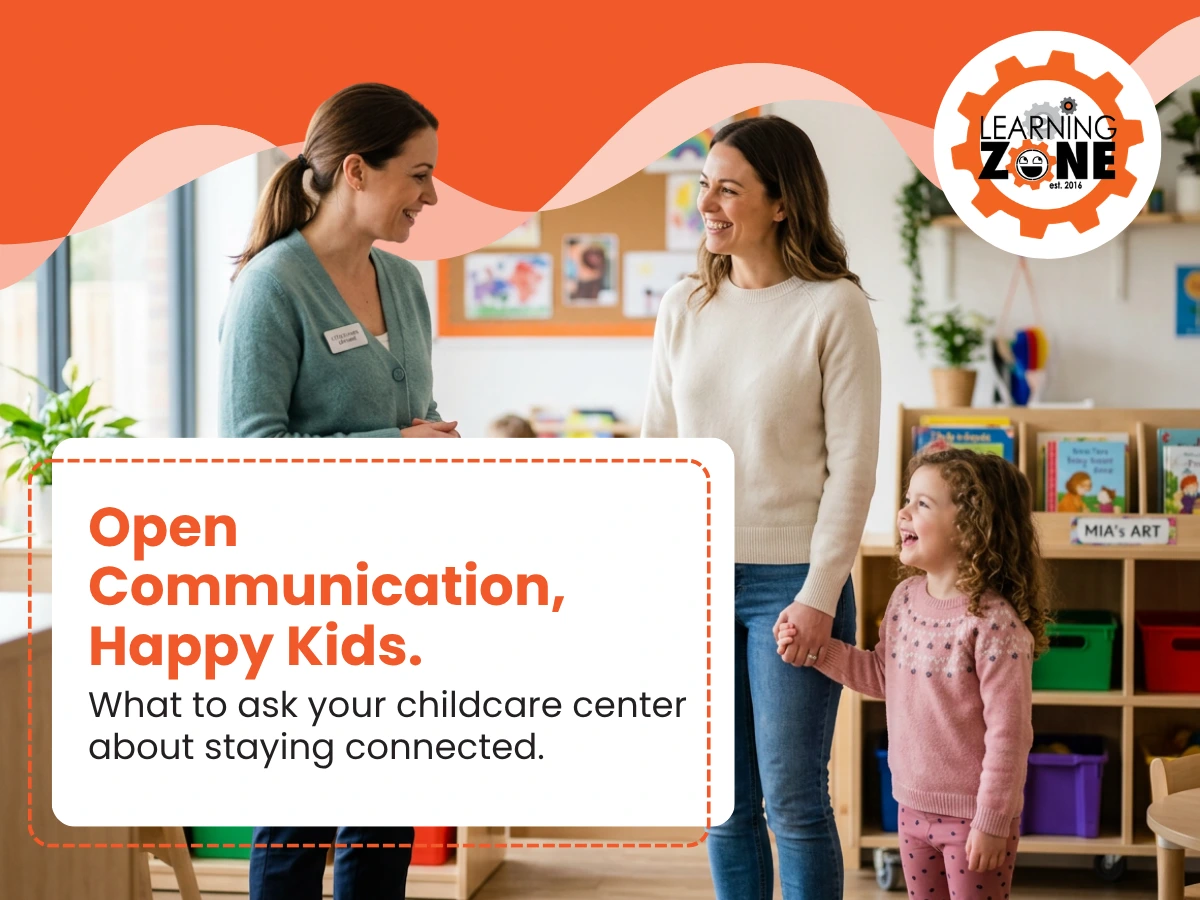
When comparing child care options near Siegel Road, communication should be a deciding factor. Even when a child is safe and happy, families still want to understand how the day is going.
This is especially important for infants and toddlers, who cannot yet fully explain their experiences. You may want to know whether your child ate well, rested, played, needed extra comfort, or tried something new. For preschoolers, communication can help families continue learning conversations at home or support a child through transitions.
Strong communication also builds trust. If a toddler had a shorter nap, you can prepare for a different evening. If a child struggles with sharing, parents and teachers can use consistent language. If a preschooler loved a hands-on science activity, you can ask about it at dinner and help the child feel proud of it.
When visiting centers, ask how updates are shared and how often. It is also helpful to ask what communication looks like when something is difficult, not just when the day goes smoothly. A strong program should be able to explain how teachers share concerns, celebrate progress, and work with families respectfully.
Pickup matters too. Parents do not need a long conference every day, but they should feel there is room for meaningful connection. A simple note about a child’s favorite activity, a new skill, or a hard moment handled well can help families feel included in the day.
A tour gives you the chance to see beyond photos and descriptions. Before visiting a center, it helps to prepare questions that reveal how the program works in real life.
How do teachers help children adjust during the first few days or weeks?
This is especially important for infants, toddlers, and children entering group care for the first time. Listen for answers that mention comfort, routine, teacher consistency, and communication with parents.
What does a typical day look like?
A thoughtful answer should include a balance of play, rest, meals, outdoor time, learning activities, transitions, and relationship-building.
How do teachers support toddlers or preschoolers during big emotions?
Young children are still learning how to express frustration, disappointment, excitement, and fatigue. Look for an approach that is calm, developmentally appropriate, and consistent.
What curriculum or learning approach is used?
A quality program should explain how children learn through activities, not just list the subjects it covers.
How do preschool and Pre-K children prepare for kindergarten?
Strong answers should include social skills, independence, early literacy, early math, communication, listening, problem-solving, and confidence.
Finally, pay attention to how the environment feels. Are children busy in a positive way? Does the program’s approach match what your child needs?
The right choice should make sense practically, but it should also give you a sense of confidence.

For families looking for daycare near Siegel Road, Learning Zone offers a local setting where care, learning, and parent communication are connected in a way that supports the whole child. Our Siegel Road location serves children from 6 weeks through Pre-K, which can be helpful for families who want continuity through the early years.
Learning Zone’s programs are designed to address the questions and concerns we hear from families every day.
Our hands-on STEAM learning and C3 Curriculum help create a classroom experience built around Curiosity, Creativity, and Comprehension. In practice, that means children are encouraged to explore, ask questions, create, problem-solve, and make sense of the world through age-appropriate experiences.
If emotional support is one of your biggest concerns, Learning Zone’s use of Conscious Discipline is especially relevant. Young children are still learning how to manage frustration, join a group, and communicate their needs. A consistent approach to emotional growth can help children feel supported through the everyday challenges of early childhood.
Our Seed to Table program helps connect learning to the real world. Planting, watering, observing, and discussing growth can introduce responsibility, patience, early science, and sensory exploration in a way young children can understand.
We also use the Procare app to share photos, updates, and daily notes. This kind of communication can make a meaningful difference, especially when children are too young to explain everything themselves.
If you are comparing toddler care, preschool, Pre-K, or child care options near Siegel Road, visiting in person is the best next step. A tour gives you the chance to see the classrooms, ask questions, understand the daily rhythm, and decide whether the environment feels right for your child.
Schedule a tour at Learning Zone Siegel Road and see how our programs can support your child’s growth, confidence, and next stage of learning.